
02 Nov When Creators Become Media Companies: What It Means for Brand Deals
Summary
This June, Jimmy Donaldson, aka MrBeast, became the first creator to surpass 500M subscribers on YouTube, with his holding company, Beast Industries, valued at $5.2B. The biggest names in the creator economy now run major entertainment studios, product lines, and media companies. As Sean Atkins, CEO of Dhar Mann Studios, told Net Influencer, content creators are now “building real media companies with their own production, distribution, intellectual property, and direct audience relationships.” In this blog, we explore the top five examples of creator media companies, why these creator businesses are on the rise, and how brands can partner with them.
TL;DR: Quick Answer
What are creator media companies and how can brands partner with them? Creator media companies are creator-led businesses that operate like studios or networks, with in-house production, multiple shows or series, owned IP, and distribution beyond social media platforms. For brands, that means fewer one-off creator deals and more long-term sponsorships, multi-touch campaigns, show integrations, and licensing deals, all of which involve bigger budgets, longer commitments, and more creative trust with the creator.
The Rise of Creator Media Companies
Creator media companies can be best described as creator-led businesses that operate like studios or entertainment networks. Unlike a traditional YouTube channel, for instance, with multiple creators posting long-form series, creator media companies have high-quality in-house production tools, multiple shows or series, owned IP, and distribution beyond social media platforms. These additional platforms could be major box office films or free ad-supported TV channels, aka FAST channels.
Common Creator Media Company Structures
Creator media companies come in all shapes and sizes. Structures may differ based on the number of years creators have spent in the industry, their amount of capital, and other factors. The following are some of the most common creator media company structures, as outlined by Everything PR.
| Structure | How it Works | Examples |
|---|---|---|
| Diversified Operator | Runs separate businesses across different categories, with the creator’s audience as just one growth driver | Logan Paul, Kim Kardashian |
| Integrated Holding Company | Every business line is built around and fed by the creator’s core content channel | Beast Industries |
| Creator-Led Studio or Network | Operates like a production company, with in-house teams, multiple shows or talent, and owned IP | Dhar Mann Studios, Unwell, Dude Perfect, Try Guys |
5 Top Creator Media Companies in 2026
Each creator media company has its own strengths and legacy to uphold. Our team at The Influencer Marketing Factory created the following list of the Top 5 Creator Media Companies in 2026, covering some of the biggest influencers in the global creator economy.
1. Beast Industries: Inside the $5.2 Billion Creator Holding Company
Beast Industries is the mega holding company behind Jimmy Donaldson, aka MrBeast. With Jeff Housenbold as CEO, Beast Industries was named to the TIME100 Most Influential Companies of 2026. According to a report from EPR, Beast Industries was valued at $5.2B at the beginning of the year following a funding round led by Alpha Wave Global plus $200M from BitMine.
The key lesson to be learned from Beast Industries is the importance of direct ownership over licensing. Donaldson’s previous venture with MrBeast Burger failed on licensing, yet Feastables, Beast Games, and Step are directly run by Beast Industries and thriving. To learn more about Feastables and other leading influencer-founded food brands, check out our official blog.
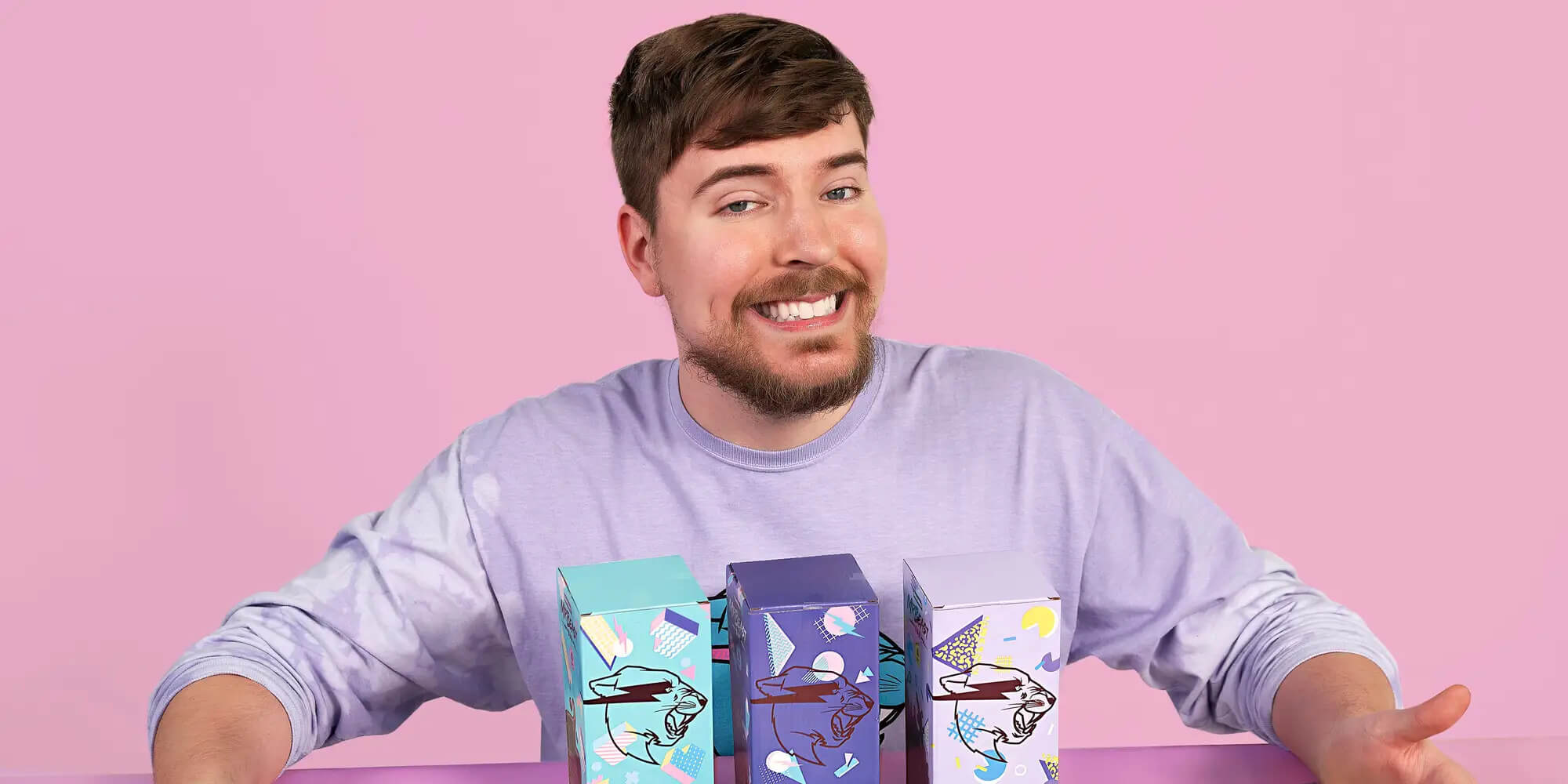
MrBeast’s Beast Industries is valued at $5.2 Billion. Source: Feastables
2. Unwell: From Call Her Daddy to a 14-Show Podcast Network
Alex Cooper has dominated the podcast scene for years. Now with her own podcast network and additional business ventures, Cooper is giving other creator media companies a run for their money. Unwell, Cooper’s renowned podcast network, now has over 14 shows in active production as of September 2026. “It always starts with talent and audience connection,” Samir Sama, the head of ventures, corporate development, and podcast strategy at Unwell, shared with Adweek. “With existing shows, our job is to amplify what’s already working. With originals, we’re looking for distinctive ideas that can become repeatable formats and franchises.”
This August, Unwell was valued at $500M following WTSL’s strategic investment in the company. Unwell originally had a three-year, $60M deal with Spotify, which Cooper signed back in 2021. According to Adweek, Cooper joined SiriusXM in a three-year, $125M deal in 2024 following the completion of her partnership with Spotify. Besides her podcasting network, Cooper has also launched Unwell Creative Agency, a full-service marketing and creator-partnerships agency, and Unwell Beverages, formerly known as Unwell Hydration. While Cooper sunset Unwell Beverages back in August, her current focus is expanding her footprint in the creator economy with new streaming and partnership opportunities.
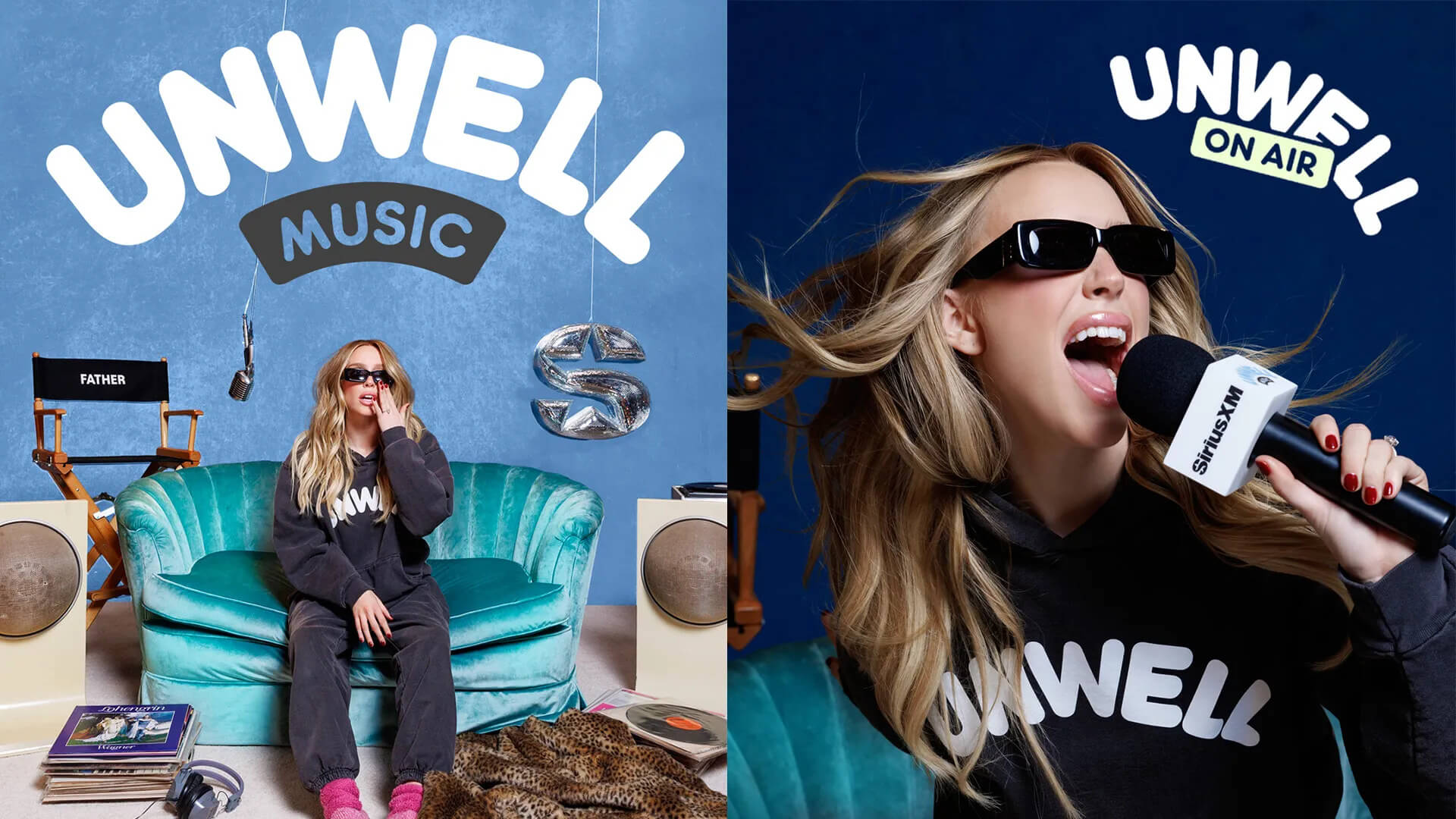
Alex Cooper’s podcast network Unwell now has over 14 shows in production. Source: SiriusXM.
3. Dhar Mann Studios: Major Deals and Investment in Creator Microdramas
What started as simple content filmed on his iPhone became a multi-million-subscriber media empire. Dhar Mann is best known for his motivational, family-friendly storytelling on YouTube. Now, Mann is a leader in the creator microdrama industry as well as TV streaming. The media star founded Dhar Mann Studios in 2018 and welcomed Sean Atkins as CEO in 2024 to help build his brand-partnerships division. At the time, 95% of his revenue came from YouTube and Facebook platform payouts for his content. Variety recently reported that Mann’s platform payouts now comprise only 40% of his revenue, with this share expected to drop to approximately 30% in 2027. Why? Algorithm changes across social platforms are resulting in payout instability, and Mann’s strategy has shifted full force towards streaming deals with major industry partners.
The launch of the exclusive Dhar Mann TV channel on Samsung in 2025 marked Samsung TV Plus’s first original content deal, and the partnerships keep rolling in. This year, Dhar Mann Studios inked deals with the NFL and Old Navy, as well as a major partnership with Fox Entertainment to create 40 vertical microdramas, as per Scalable. All this magic takes place in Dhar Mann’s 125K square foot headquarters in Burbank, a city home to many other entertainment leaders. “We’re a full end-to-end operation,” Mann shared with the Television Academy, “so everything from ideation to writing to preproduction. We have our own casting, wardrobe and makeup. If we need a new set built, our in-house team builds it. All the way to postproduction for coloring, sound design, VFX; we do everything in-house.”
So what’s next for Dhar Mann? Besides more major collaborations, Mann has set his sights on uplifting the next generation of creators and microdrama studios. This February, Mann invited over 250 to his Burbank studio for a creator camp in partnership with Adobe, and during the week of the next Super Bowl, Dhar Mann Studios will officially open Creator City in Los Angeles, a collection of over 175 sets and soundstages which can support up to 15 concurrent productions. To learn more about microdrama trends and what’s next for this booming industry, read our official blog.
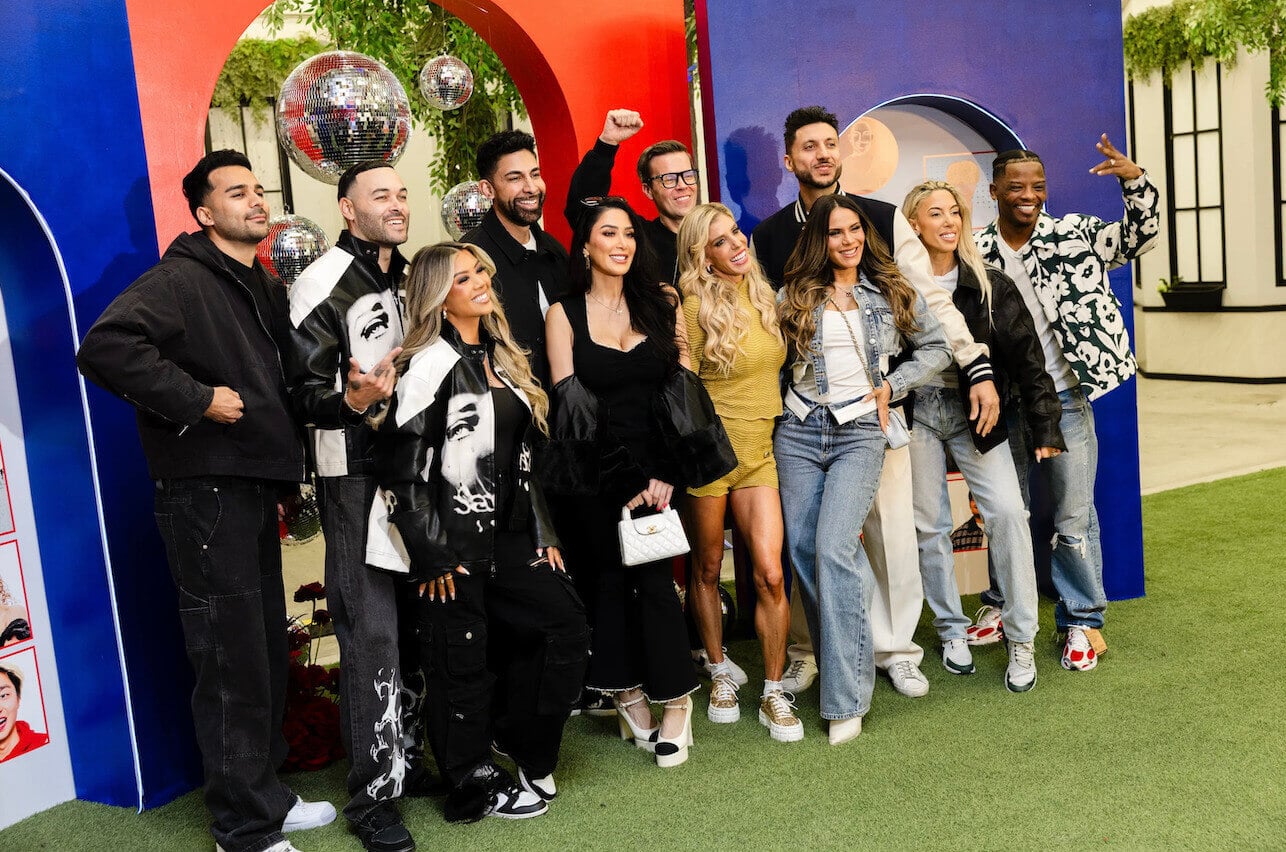
Dhar Mann gathers with fellow influencers for a creator camp in partnership with Adobe. Source: Dhar Mann Studios
4. Dude Perfect: Turning Creator Collabs Into Major Sports Sponsorships
Dude Perfect has grown to become one of the biggest sports brands on YouTube since its launch back in 2009. After a $100M funding round in 2004, Dude Perfect hired former NBA executive Andrew Yaffe as its first CEO to help the group operate as a professional media company. Dude Perfect has “deep, meaningful relationships with top brands that spend with the NHL and the NBA and the NFL and spend on FIFA and the World Cup,” Yaffe shared in an interview with Mike Shields. “The brands that want [to work with major sports leagues] are the same brands that want to work with us.” The core appeal of partnering with Dude Perfect as a whole rather than traditional creators is their audience. Yaffe also explained how more than half of Dude Perfect’s content is streamed on TV, with 80% of viewing coming from children watching alongside their parents, a co-viewing audience few media properties can offer.
While Yaffe stepped down as CEO this September, Dude Perfect continues to evolve under longtime investor Patrick Hurley, serving as interim CEO, and expand its roster of brand partnerships. Over the past few decades, Dude Perfect has managed to take its following from viral trick-shot videos and turn them into dedicated consumers of their best-selling Walmart toys, live tours, and pro sports simulcasts. Dude Perfect’s evolution from its early YouTube days to now shows what brands can gain when they treat a creator media company like a sports property, with multi-year sponsorships, licensing, and category exclusivity rather than one-time posts or partnerships.
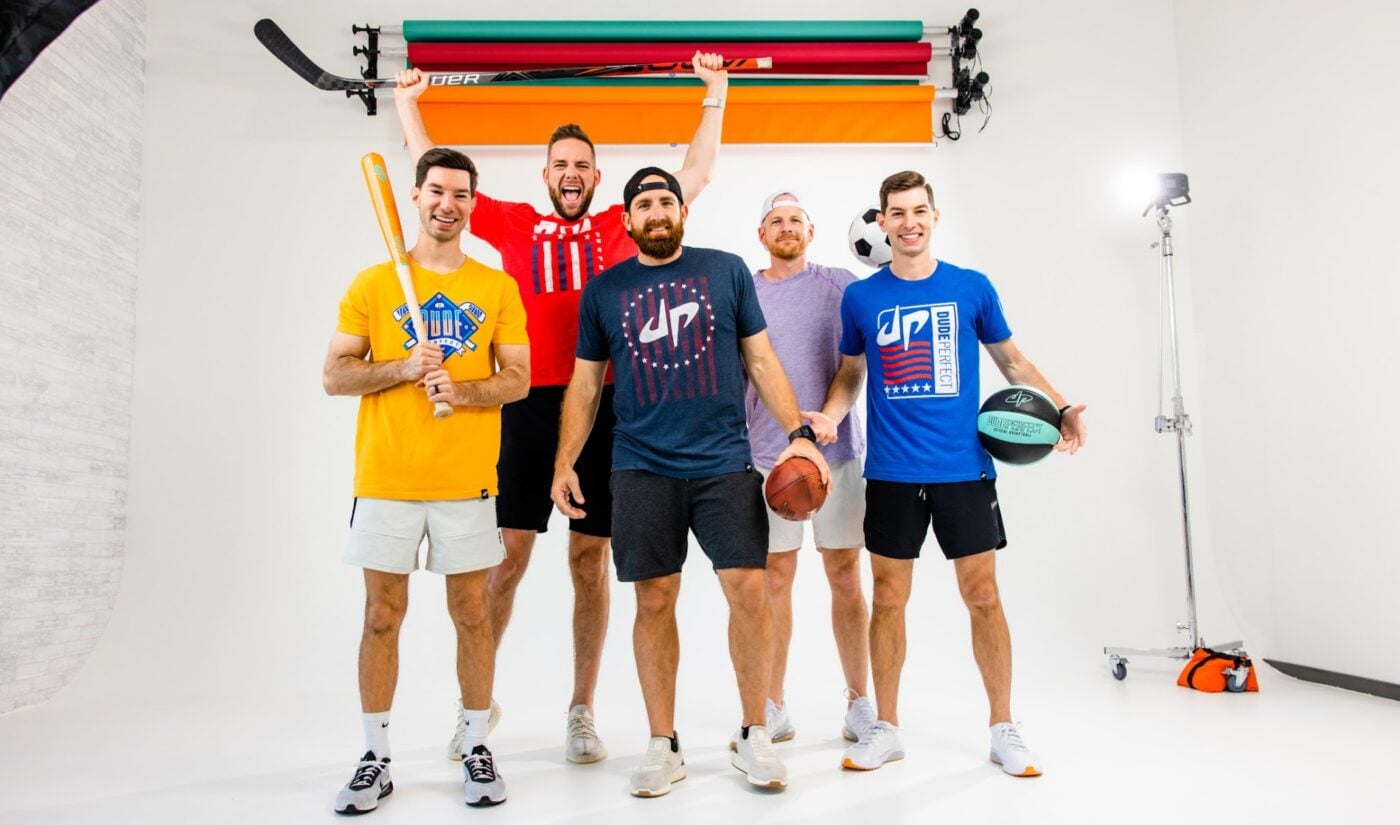
Dude Perfect stands as one of the creator economy’s greatest sports brands to date. Source: Dude Perfect
5. 2nd Try: Creator Streaming Services and the Big Screen
In terms of FAST channels and TV content, the Try Guys are at the forefront of this streaming movement. In May 2024, the Try Guys launched 2nd Try, their own ad-free streaming subscription priced at $4.99 per month. After over a decade of producing content on YouTube and other platforms, co-founders Zach Kornfeld and Keith Habersberger expressed similar struggles with algorithm shifts, as we saw with Dude Perfect. Rather than completely leaving YouTube and its monetization opportunities, 2nd Try offered a new, independent revenue channel that gave the duo more creative control and room for growth. The Try Guys explained in an interview with Tubefilter how investment from Spotter allowed them to make this shift and help transition their dedicated audience from paid live tours and merchandise to exclusive streaming. “The last couple years have been really wonderful in terms of shows we’ve been making,” Habersberger shared with Tubefilter. “They’re the best shows we’ve ever made. Unlocking new cast members has allowed us to tell more stories, and expanded the types of stories we can tell.”
With a dedicated streaming service comes bigger screens, which is why The Try Guys launched a Samsung FAST channel to extend distribution last fall. This September, the duo also joined Disney’s first Created in LA event to share about their streaming journey. The event hosted over 350 creators, for which Kornfeld and Habersberger led a session called “How To Make Shows, Not Just Videos,” explaining how they develop series formats like Killer Dinner by putting their own twist on familiar TV concepts for their audience. With more investment and subscription revenue, The Try Guys continue to build as a media company, expanding their staff, production structures, and more. For brands, The Try Guys represent an increasing shift toward content creators and legacy influencers building premium, TV-style programming with dedicated fanbases, opening the door to show-level partnerships rather than individual sponsored videos.
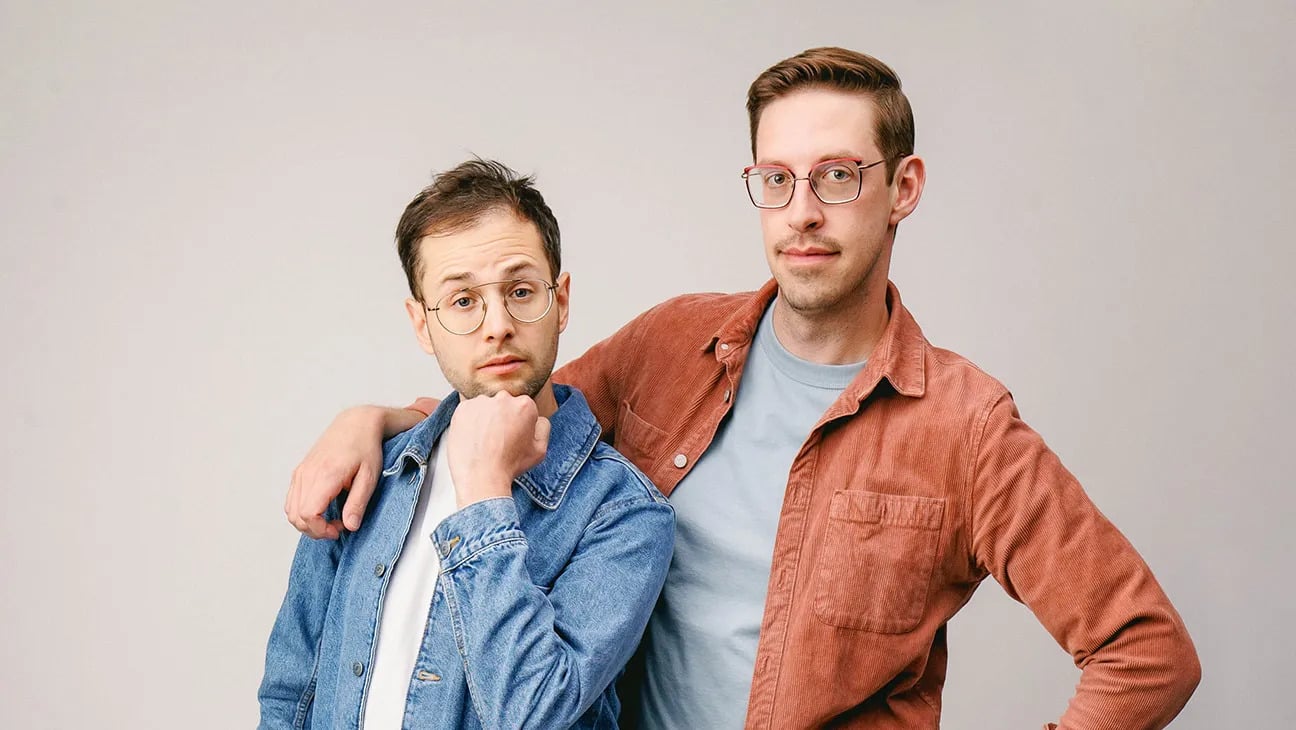
Zach Kornfeld (left) and Keith Habersberger (right) co-founded 2nd Try in 2024. Source: 2nd Try
How Brands Are Partnering With Creator Media Companies
Depending on your brand’s budget and goals, there are a multitude of ways to partner with creator media companies. The following are some common examples of how brands are strategically working with these creators.
| Structure | How it Works | Examples |
|---|---|---|
| Long-term sponsorships instead of one-off posts | Brands sign multi-year deals that position them as an official partner, building lasting brand association rather than paying for a single post on a set date | BodyArmor as Dude Perfect’s official hydration partner for several years; Dude Perfect’s partnerships with State Farm, Disney, and McDonald’s |
| Multi-touch campaigns built around one idea | Brand and creator agree on a central theme, then bring it to life across several formats, such as scripted content, live events, and real-world impact, often pulling from multiple marketing budgets | Dhar Mann Studios and Invisalign’s “confidence” campaign (sevral scripted videos, a live casting event, and a giveback), which generated 70M+ views |
| Show and network integrations | Brands partner across a creator’s slate of shows or sponsor specific series, reaching multiple audiences through one company instead of one personality | Unwell’s integrated partnerships and advertising across its 14 shows, powered by SiriusXM |
| Branded worlds, licensing, and exclusivity | Brands become part of the creator’s physical sets, products, or category, through licensed products, branded locations, or exclusive representation deals | Dhar Mann’s Creator City; Dude Perfect’s exclusive video game with Nex Playground; Dude Perfect Outdoors exclusively representing GSM Outdoors’ Stealth Cam and Walker’s brands |
Conclusion
The creator economy has moved far beyond the era of one-off sponsored posts. Beasts Industries, Unwell, Dhar Mann Studios, Dude Perfect, and the Try Guys all show that the biggest creators now run like studios and networks, with their own production teams, owned IP, and distribution that reaches far beyond a single social feed. Many of them are also moving away from platform payouts as their main source of revenue, which makes brand partnerships more central to how they grow.
For brands, that shift opens up a different kind of opportunity. Partnering with a creator media company looks less like booking an influencer and more like sponsoring a sports team or, better yet, a TV show. The deals are bigger, and the commitments are longer, but so is the payoff: lasting brand association, access to multiple audiences through one partner, and the integrations that feel native to content people actually choose to watch. The brands that win here will be the ones that come in with a long-term plan and give creators the creative trust to make the partnership flourish.
Ready to build a creator strategy designed for the long run? Work with The Influencer Marketing Factory to design and manage influencer partnerships that go beyond a single post.
Your Next Influencer Marketing Campaign Starts Here.
From finding the right creators to executing high-performing campaigns, we help brands turn influencer marketing into measurable results.
Frequently Asked Questions
- What is a creator media company?
A creator media company is a creator-led businesses that operate like studios or networks, with in-house production, multiple shows or series, owned IP, and distribution channels beyond social media platforms.
- How is a creator media company different from a regular influencer?
A typical influencer creates content for their own channels and partners with brands on individual posts or short campaigns. A creator media company has a full business structure behind it, including a leadership team, production staff, multiple shows or talent, and revenue streams like streaming deals, consumer products, and live events. Brands partnering with a creator media company are working with an organization, not just one personality.
- Why are more creators building media companies?
Algorithm changes and unstable platform payouts have pushed many top creators to diversify. Dhar Mann Studios, for example, now earns only 40% of its revenue from platform payouts, down from 95% in 2024. Building a media company gives creators more control over their content, more ways to make money, and more leverage when negotiating with brands and distribution partners.
- How can brands partner with creator media companies?
The most common approaches are long-term sponsorships, multi-touch campaigns built around one central idea, integrations across a creator’s slate of shows, and licensing or exclusivity deals tied to products, sets, or categories. The right fit depends on your brand’s budget, goals, and how deeply you want to be associated with the creator.
- Are creator media company partnerships worth the bigger budget?
For brands focused on long-term awareness and loyalty, they often are. These partnerships offer access to highly engaged audiences, premium production quality, and reach across several formats and platforms at once. Dhar Mann Studios’ “confidence” campaign with Invisalign generated more than 70M views by combining scripted videos, a live event, and a giveback. Brands that only need short-term reach may still get more value from traditional creator campaigns.