
15 Jun How to Reach Gen Alpha: The Ultimate Influencer Marketing Guide (2026)
Gen Alpha, born between 2010 and 2024, is one of the most brand-aware and digitally immersed generations in human history. According to research from DKC, Gen Alpha now wields over $101B in purchasing power, translating to $67 of weekly spending per child or $3,484 over the course of a full year. This young cohort of media-focused consumers trusts their favorite influencers as much as their family, signalling to brands a new opportunity to connect with Gen Alpha across socials, TV screens, and even in-person activations.
In this blog, we explore the top platforms and creators influencing Gen Alpha and how brands can effectively reach them through influencer marketing.
Gen Alpha Demographics: Who Are They and Why Do They Matter?
How Old is Gen Alpha?
Since Gen Alpha includes children and teens born between 2010 and 2024, the oldest members are high school-age, between 15 and 16 years old. McGrindle estimates that the total number of Gen Alphas is now approximately 2 billion, as the generation cycle ended in 2025. The oldest group of Gen Alphas has never lived in a world without access to iPads and mobile technology, and now, this group is old enough to have their own Instagram accounts, communicate across social media, and even utilize artificial intelligence tools.
Gen Alpha vs. Gen Z: Marketing & Digital Behaviors
Gen Alpha’s digital savviness has resulted in them not being able to differentiate between online and offline environments, unlike older cohorts. According to a study conducted by the Advertising Standards Council of India, Gen Alpha engages with “digital spaces as a ‘continuous reality,’ where the smartphone is not just a device but the primary environment in which social interaction, entertainment, and consumption occur.” Since Gen Alpha engages with content on a daily, non-linear basis, this generation experiences what ASCI calls a “boundary-less” media experience, in which children fluidly move across formats from short-form content and memes to gaming.
Marketing Dive also explores Gen Alpha’s deep technological roots, titling them as “the first algorithmically native generation.” Due to their constant exposure to new information and tech, Gen Alphas are increasingly experiencing “up-aging,” getting maturer at various aspects of their life–clothing preferences, interest in beauty and skincare, music taste, and more.
Gen Alpha’s Massive Spending Power
DKC’s Gen Alpha report, underscoring its $101B in spending power, is just the tip of the iceberg in terms of Gen Alpha’s massive spending power. The following are some key statistics marketers need to know about how Gen Alpha is spending money:
- Over 96% of Gen Alphas influence their families to try new products they discovered online or heard about from friends, and such influence from Gen Alphas makes up 42% of household purchases.
- According to Net Influencer, nine in 10 parents report that their Gen Alpha children influence family spending decisions.
- McCrindle forecasts that by 2029, Gen Alpha’s global economic footprint will be valued at $5.46 trillion. As of January 2026, McCrindle estimates this Gen Alpha spending to be over $5.39 trillion.
- Research from McCrindle and Money Magpie outlines toys as the number one spending category for Gen Alpha (48%), followed by snacks (42%) and entertainment (31%).
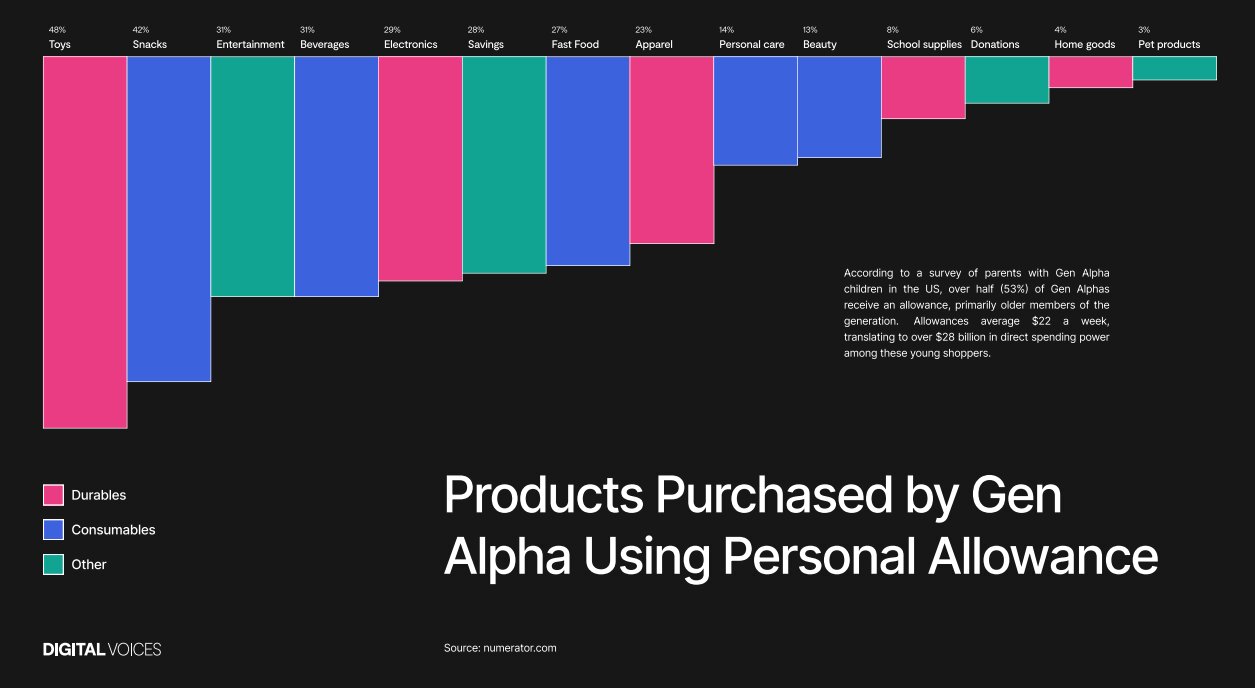
Top Gen Alpha Spending Categories
How Gen Alpha Discovers Brands
Gen Alpha Brand Affinity & Loyalty
So what exactly is influencing the billions of dollars spent by Gen Alpha each year? Influencers play a major role in Gen Alpha spending, but so does this generation’s individual brand affinity thanks to digital discovery. Research from Digital Voices revealed that Gen Alpha children can recognize brands as young as the age of 3, with 7-year-olds being the youngest age for Gen Alphas to begin making brand-specific food and media requests to their parents. By the time Gen Alphas reach the age of 12, 55% report interest in wanting to purchase a product from a brand specifically because their favorite YouTube or Instagram creator uses or wears it.
In a Big World of Brands, Creators Influence Which Succeed
Although content creators do influence Gen Alpha purchases and interests, brands that share blatant advertising or salesy content will turn away Gen Alpha users. Gen Alpha is growing up in a social world packed full of advertisements and the ‘Nascar-ization’ of brands, as shared by SeeHer President Christine Guilfoyle, meaning they are inundated by a constant stream of branded content across digital fronts. The more Gen Alpha consumes branded content, the more keen they are to spot poor sales tactics and brands that fail to align with current trends.
Influencers serve as role models for Gen Alpha’s fashion and lifestyle preferences, but those who misalign themselves with flopping brands or low-quality products will not benefit from their massive spending power. Gen Alpha is learning to tune out excessive advertising on social media, but authentic influencer marketing campaigns can effectively reach this generation as long as creators honestly promote products they truly recommend.
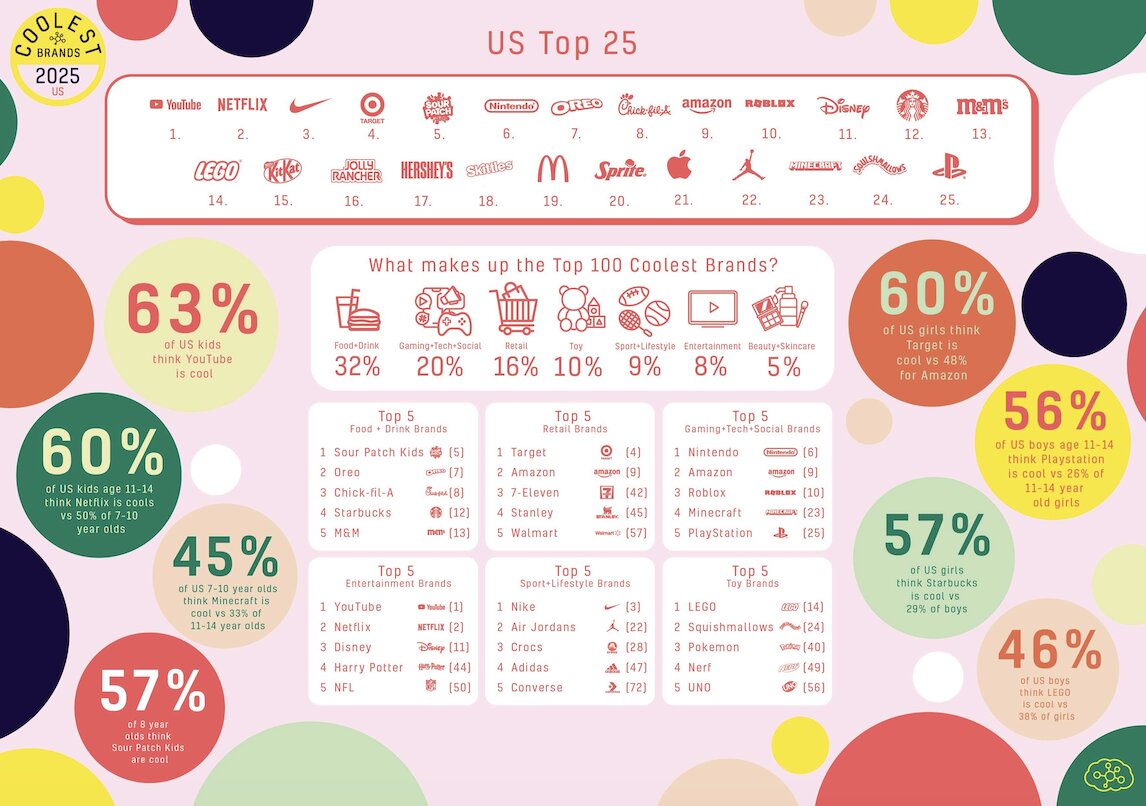
Top coolest brands for Gen Alpha, ages 7 to 14, in 2025. Source: Beano Brain
The Best Platforms to Market to Gen Alpha in 2026
Given Gen Alpha’s young age range, the digital platforms they can access and thus engage with brands are quite limited. These limitations vary by geographic region, with countries like Australia, Brazil, Indonesia, and Malaysia imposing strict social media bans for kid and teen users. The following are some of the top platforms currently utilized by Gen Alpha, which may be optimal for Gen Alpha influencer marketing campaigns.
1. YouTube: The #1 Gen Alpha Platform
YouTube is the top platform to connect with Gen Alpha for both brands and creators. EMARKETER forecasts that over two-thirds of Gen Alphas will consume content on YouTube in 2026, with gaming, challenge, and unboxing content being top creator niches. YouTube Shorts appears to be a leading method for Gen Alpha’s content consumption, as Net Influencer reports that “YouTube Shorts has grown 32% year over year among Gen Alpha viewers and now reaches 49% of the demographic.” Although YouTube has built-in child-protection features for parents, co-viewing behavior largely takes place on the platform. Net Influencer further reports that 49% of children watch YouTube content with their parents, and during these co-viewing sessions, 75% of Gen Alpha children ask for products they see on-screen.
2. TikTok: The Middle Ground
Second up for top platforms for brands to reach Gen Alphas is TikTok. Gen Alpha is deeply engaged with short-form videos on YouTube, making TikTok a natural extension and secondary platform for them to consume content. Although TikTok is only available to Gen Alphas ages 13 or older, it is still a dominant platform for product discovery and engaging with influencer content. Heeyeon Kang, who works on K-beauty brand Fwee’s U.S. marketing team, highlighted TikTok as an undeniable front for brands to connect with Gen Alpha. “With its short-form format, it’s the perfect space for today’s fast-paced audiences to quickly discover, engage, and even shop, especially with TikTok Shop making instant purchases easier than ever,” Kang shared in an interview with Forbes.
Fwee isn’t the only rising brand to target Gen Alpha on TikTok. Sincerely Yours, the latest Gen Alpha-centered skincare brand to make headlines, is also leveraging TikTok as a core channel for community-building and marketing. TikTok “is where our younger audience spends most of their time; it’s where they discover new brands, share with friends, and expect to see content that feels real and fun,” Julia Straus, CEO and Co-Founder of Sincerely Yours, added. When brands like Sincerely Yours host exciting, in-person activations, Gen Alphas oftentimes learn of these events online and share their experience on TikTok.
3. Gaming Platforms: Roblox, Minecraft, Fortnite
Gaming platforms represent a new parallel access point for brands to reach Gen Alpha in 2026 and beyond. New 2026 data from Digital Voices revealed that 56% of Gen Alphas now identify gaming as their second-most-frequent weekend activity, topped only by watching online videos on platforms like YouTube or TikTok. Viral games like Roblox, Minecraft, and Fortnite act almost as social media platforms in the sense that Gen Alphas can connect to play both virtually and in real life. Roblox released the following insights on the leading age demographics actively on the gaming platform this February:
- 35% of age-checked daily active users on Roblox are younger than 13
- 38%, the largest cohort of age-checked daily active users, are aged 13 to 17
- Almost one-third (27%) of Roblox’s age-checked daily active users are 18 or older
“Platforms like Roblox and Minecraft are perfect because they let kids explore and get creative,” Socially Powerful CEO James Hacking explains. “Even simple things like AR filters or playful games can make your message feel more like entertainment than advertising. Gaming can be a powerful tool for blending branded experiences with interactive play, as seen in Nike’s Nikeland on Roblox and Airphoria on Fortnite. “That doesn’t just mean a branded space, it means as a brand you’re participating on Roblox, you understand, you get it, you’re working with influencers and creators that are in those spaces too, you’re bringing lore and pieces of Roblox into your brand and how it shows up on a TV spot or an [out-of-home] ad,” Matt Higgins, Head of Strategy at Blue Hour Studios, shared with Marketing Dive.
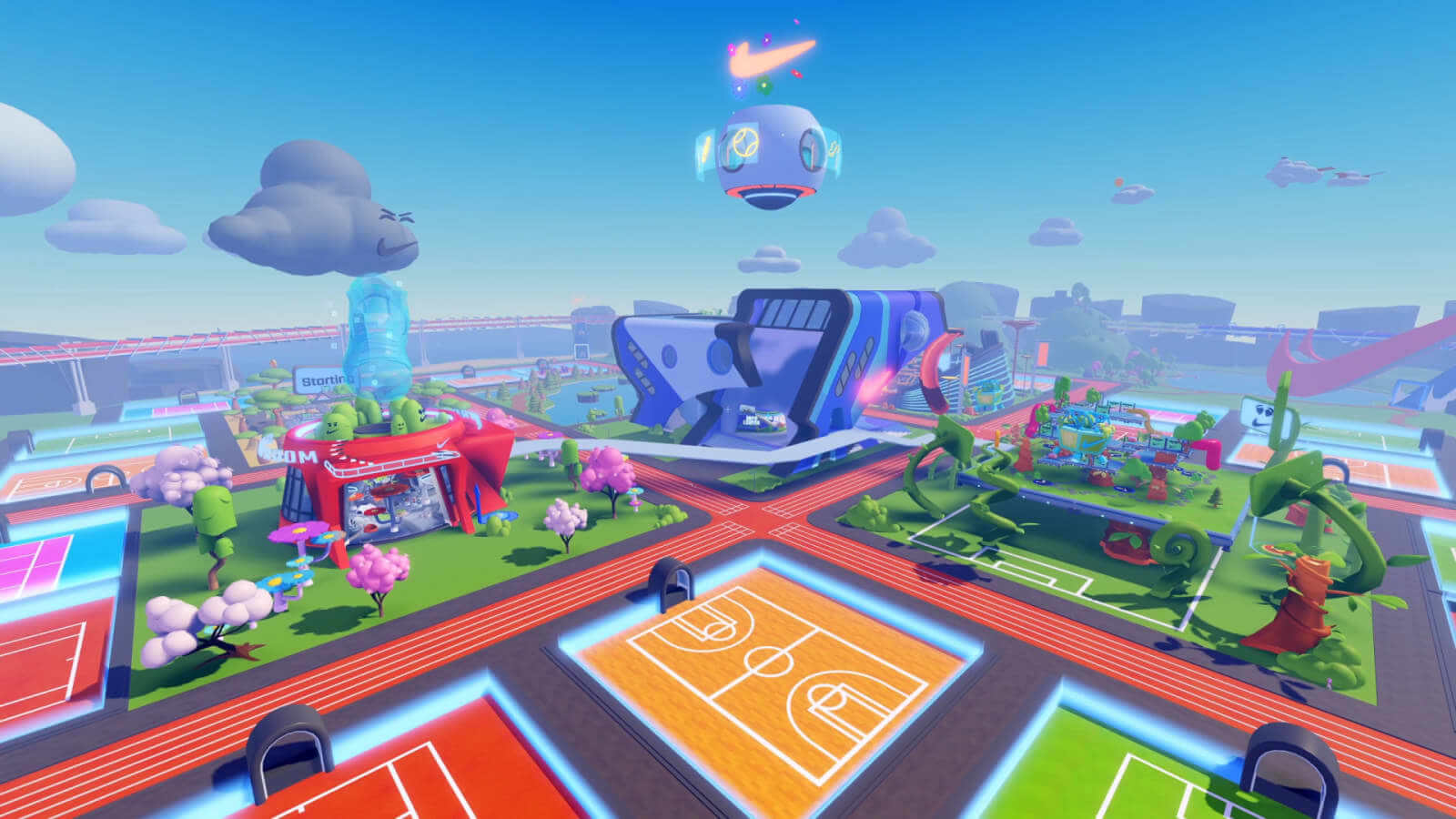
Nike teamed up with Roblox to launch a virtual world called Niketown. Source: Nike
How Creators Are Influencing Gen Alpha
Why Gen Alpha Influencer Marketing Campaigns Succeed
Trustworthy creators are often at the core of Gen Alpha’s shopping decisions due to their proximity. Gen Alpha audiences and shoppers desire content that’s entertaining and embedded in creators’ real lives, not over-polished, branded content. Behind-the-scenes content, livestreams, interactive polls, chatty vlogs or routines, and user-generated content from creators can drive far higher engagement than traditional brand storytelling.
Digital Voices highlights that over 70% of parents report their Gen Alpha children have specifically asked for a product after seeing an influencer use or endorse it in their content. The flow from product discovery to purchase is straightforward: Gen Alphas co-watch content with their parents on approved social platforms, familiarizing parents with influencers and how their interests align with their children’s. Children then learn about new products from their favorite creators, and parents make the purchase. The more Gen Alphas consume social media content, the further this cycle continues.
Top Creators Influencing Gen Alpha (2026)
Influencer selection for campaigns targeting Gen Alpha can make or break your brand’s performance. The following are some of the top influencers and content creators influencing Gen Alpha in 2026.
| Creator | Gen Alpha Audience |
|---|---|
 MrBeast (Jimmy Donaldson) |
MrBeast, aka Jimmy Donaldson, is one of the leading macroinfluencers with a stronghold on Gen Alpha audiences. In 2025, MrBeast was ranked #1 on the Forbes Top Creators list due to his massive YouTube stardom and successful business ventures. His candy brand, Feastables, has become a major hit among Gen Alpha fans, as has MrBeast Burger. Now, MrBeast is leaning into major streaming productions like Beast Games, which was renewed for a second season on Amazon Prime. |
 Dhar Mann |
Dhar Mann’s rise to fame on YouTube has also made him a major hit with Gen Alpha and Gen Z audiences. Dhar Mann ranked #2 on Forbes’ Top Creators list last year, but his recent business moves in the microdrama industry may catapult him to new levels of success. Vertical microdramas align strongly with Gen Alpha’s mobile-first preferences, and combined with Dhar Mann’s signature moral-driven storylines, the format is highly optimized for these young audiences. |
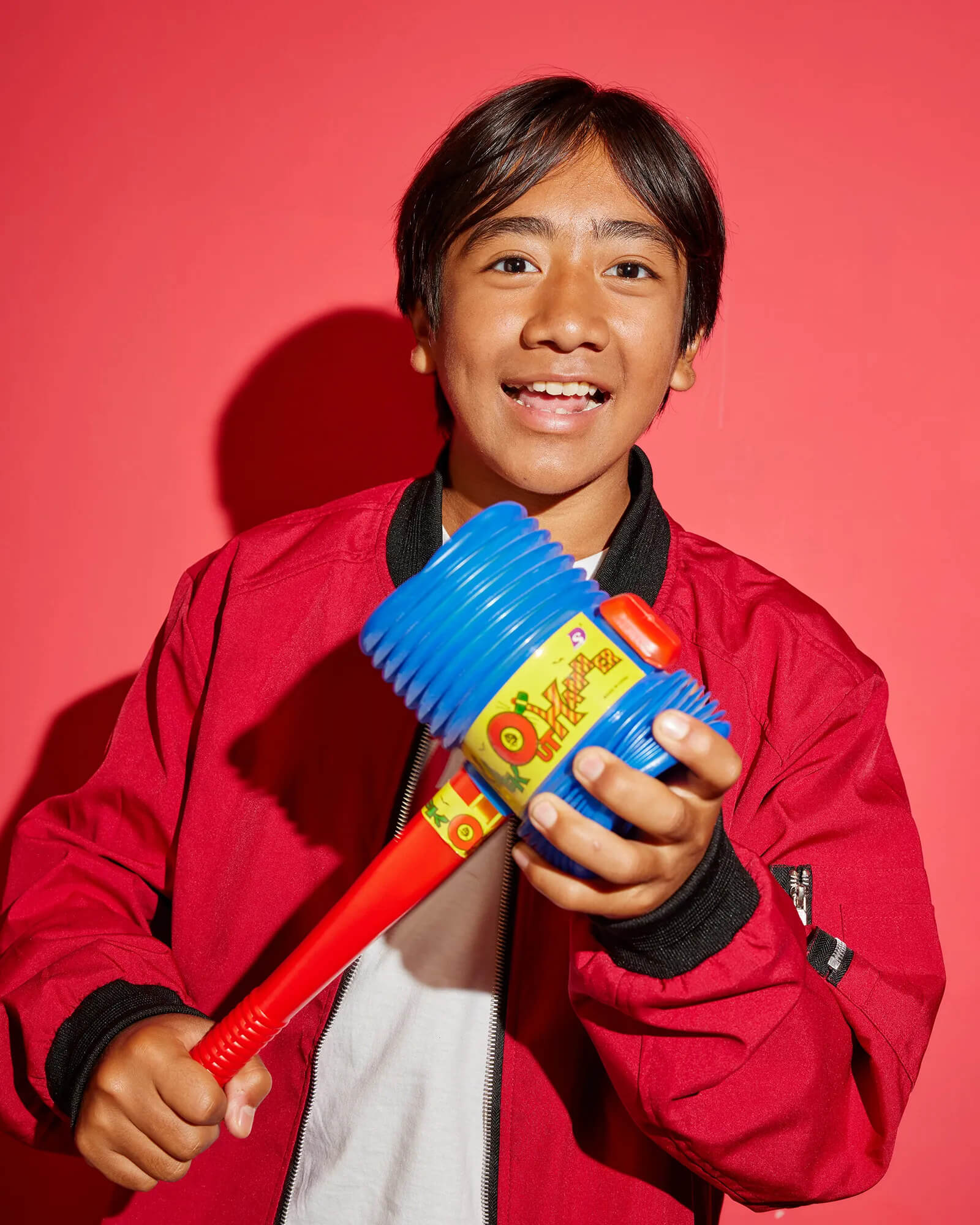 Ryan’s World (Ryan Kaji) |
One of the first major YouTubers Gen Alphas have crossed paths with is Ryan Kaji, better known as Ryan’s World. Ryan first made his social media debut in 2011 when he was just three years old. Today, Ryan’s influencing career has grown into a billion-dollar empire, including exciting ventures from Emmy-winning TV series to toy launches and a film release in partnership with PocketWatch. Ryan himself is a part of Gen Alpha, making him a pillar in this generation’s initial social media usage and product discovery. |
 Like Nastya (Nastya Radzinskaya) |
Nastya Radzinskaya, aka Like Nastya, is another Gen Alpha YouTube Star. Unlike Ryan’s toy-driven content, Nastya built her multi-million-dollar audience across several YouTube channels with skits, storytelling content, music, and more. Her YouTube videos are optimized for TV streaming, as several skit-style clips are compiled into half-hour or longer videos, perfect for family viewing. Today, Nastya is continuing to tour and release new music in addition to partnering with major brands like Basic Fun! to release Gen Alpha merchandise. |
 Unspeakable (Nathan Milner) |
Leaning into gaming and exciting challenges is Unspeakable. Nathan first began posting YouTube videos in 2012, and now has a bustling merchandise and streaming empire. Over the past few years, he has been an early adopter of reaching fans on big screens through FAST (free ad-supported television) channels. Back in 2024, Unspeakable partnered with FilmRise and Future Today to launch his own FAST channel app, packed with hundreds of hours of content for Gen Alpha audiences to enjoy. |
Implications For Collaborating With Gen Alpha Creators
Working with Gen Alpha creators offers real commercial upsides to brands, but such partnerships come with a very distinct set of responsibilities and guidelines. Most Gen Alpha influencers operate via parent-managed channels to bypass age restrictions on social platforms and ensure proper communication with brand and agency partners. Certain talent and influencer agencies may apply their own safeguards and practices to ensure that young creators are not overworked, have ample time to complete brand requests, have dedicated savings accounts for their earnings, and so on. Legal regulations for child entertainers and influencers vary by region, as well as by social media access.
Although there are some grey areas regarding restrictions on partnering with Gen Alpha creators, these partnerships are often the most effective at driving sales and boosting brand sentiment. Since these creators feel like peers to Gen Alpha users, their recommendations resonate more authentically than those of adult influencers. The true challenge for brands lies in navigating how to protect Gen Alpha creators’ rights across the creator economy while ethically marketing to families with such creators.
Gen Alpha Influencer Marketing Case Studies
In-person activations, gamification, and shareable moments are core strategies for brands targeting Gen Alpha in 2026. Here are five key examples of how leading brands are activating Gen Alpha marketing campaigns and turning them into immersive, community-led experiences.
1. Sincerely Yours
To celebrate the official launch of Salish Matter’s debut skincare brand, Sincerely Yours hosted a record-breaking pop-up at the American Dream mall in New Jersey. More than 87,000 fans were estimated to attend the pop-up, resulting in security having to shut down the operation due to overcrowding and safety concerns. While the pop-up closed early, YouTuber Jordan Matter, Salish’s father, confirmed to Ad Age that 5,000 fans were able to go through the pop-up and more than 20,000 samples were gifted to attendees. Fans were able to go through the educational pop-up to learn about each product in the skincare line and enjoy some delicious ice cream and snacks. Jordan Matter also noted, to his surprise, that Sincerely Yours completely sold out of their limited-edition hoodie, showcasing how dedicated their Gen Alpha fan base is.
Julia Straus, CEO and Co-Founder of Sincerely Yours, spoke with Forbes as well, emphasizing how Gen Alpha consumers “want to be part of the process, see the behind-the-scenes, and connect with someone like Salish [Matter], whose authenticity sets the tone for the brand.” By incorporating fans and fellow Gen Alphas into their brand development process and embracing community through in-person activations, Sincerely Yours is on track to be one of the top Gen Alpha brands of 2026.
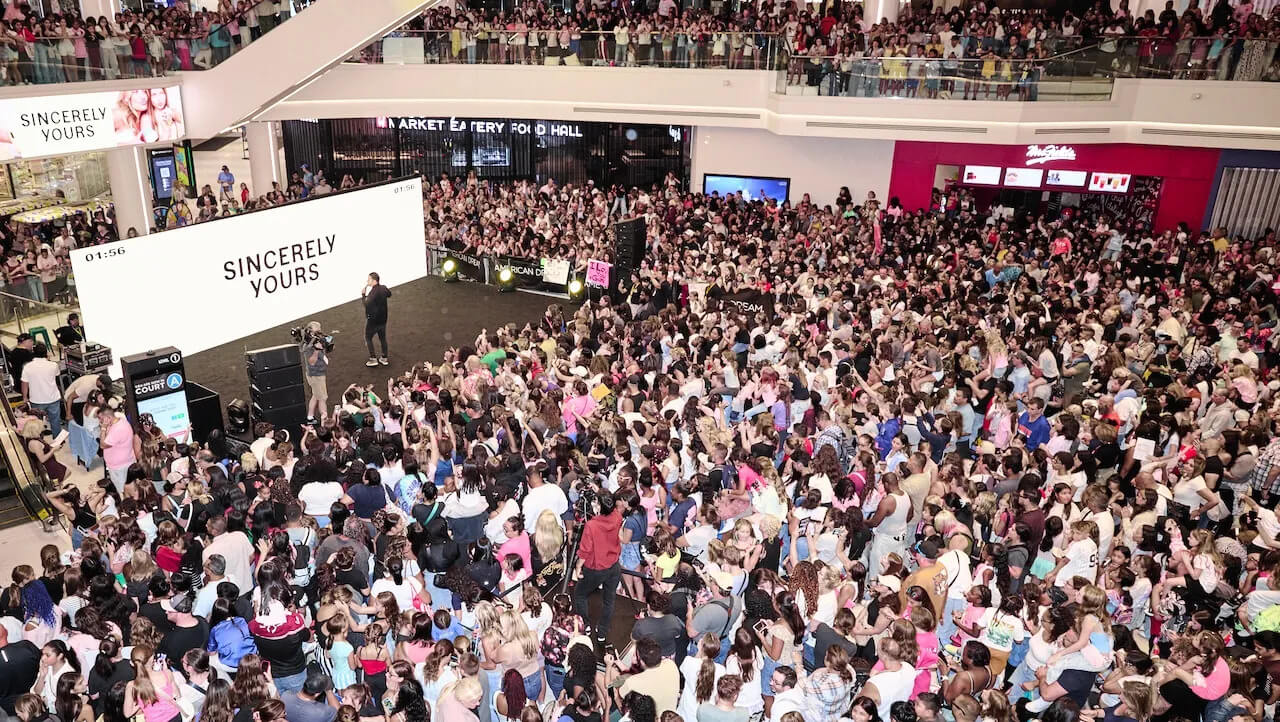
Over 87,000 fans attended the Sincerely Yours American Dream pop-up. Source: Modern Retail
2. Evereden
Sincerely Yours is far from the first kid and tween-friendly skincare line to hit the market. Evereden, which first launched in 2018, is one of Sephora’s best-selling skincare brands for young consumers and families. Central to Evereden’s Gen Alpha marketing strategy is sharing organic content on YouTube and TikTok, but the brand recently kick-started an exciting new creator initiative featuring Gen Alpha TikTok stars. Evereden unveiled its “Generation E” campaign this spring, featuring Gen Alpha influencers Embreigh Courtlyn (age 15), Kaili Asa (17), and Madison Rae (14). Most notably, the campaign involves equity-based deals for each creator, not necessarily a new feat in the creator economy, but more so a milestone for Gen Alpha marketing.
“Gen Alpha sees their brand selection as an extension of their self-expression, and that’s really important to them,” Kimberley Ho, Founder and CEO of Evereden, told Glossy. “So, directly inviting three [Gen-Alpha creators], who we think are the strongest, most interesting, diverse Gen-Alpha voices into Evereden, and trusting them to help us build what comes next, is our way of giving Gen Alpha and that community a real seat at the table.” In order to become leaders in the Gen Alpha market, listening was key. Social listening and engagement sparked the development of clean fragrances, which Ho notes quickly became a best-seller for the brand. Just as with Sincerely Yours, Evereden understood the power of listening to and empowering its Gen Alpha audience, which has now led to immeasurable brand growth.
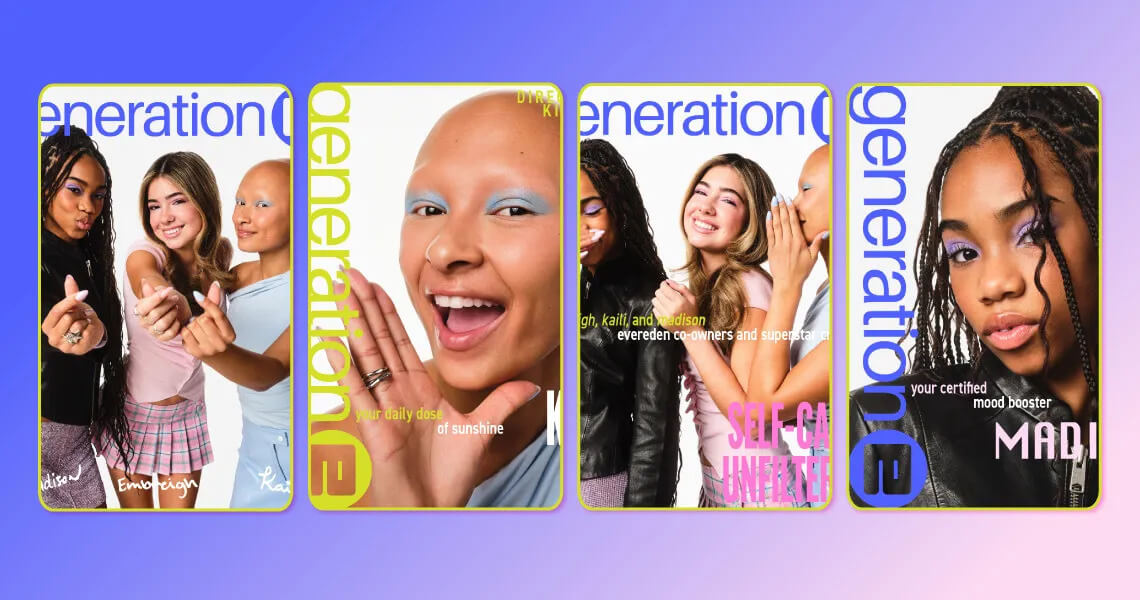
Evereden launches Generation E, a new equity-based Gen Alpha creator program. Source: Glossy
3. Kendra Scott
Kendra Scott, a jewelry brand popularized by viral get-ready-with-me’s and Bama Rush videos, is also growing in popularity among Gen Alpha audiences. The in-store experience, in particular, is a priority for Gen Alpha consumers, and Kendra Scott’s event-like spaces and personalization experiences make the brand even more appealing to young tweens. For instance, Kendra Scott’s Color Bar allows shoppers to book parties and create their own customized jewelry, a fun opportunity for Gen Alpha to connect with friends and share their experience on social media. “Connection over transaction is a principle [Kendra] started from Day 1 that applies to all our generations but also fits with Gen Z and Gen Alpha,” Michelle Peterson, Kendra Scott CMO, shares. “We aren’t looking to market, target, deepen loyalty or drive awareness — we are looking to connect.”

Kendra Scott prioritized community engagement with Gen Alpha. Source: Ad Age
Gen Alpha Marketing Do’s and Don’ts
Gen Alpha influencer marketing requires a tailored social strategy and consistent community engagement. The following are some marketing do’s and don’ts for brands interested in targeting Gen Alpha.
| Marketing Do’s | Marketing Don’ts |
| 🤝 Partner with creators who already authentically use your brand: Gen Alpha can quickly spot forced, inauthentic sponsorships. Use your most loyal fans and content creators to your advantage to ensure a more authentic approach that doesn’t turn away Gen Alphas. | 👎 Don’t create content that feels like a traditional advertisement: Highly polished, sales-driven campaigns often miss the mark and can turn away young users for good. Instead, consider content that entertains, educates, or is creator-centered. |
| ▶️ Prioritize YouTube and creator-led content: YouTube remains Gen Alpha’s dominant platform, combining long-form content, Shorts, and creator trust. Since it’s where most Gen Alphas first discover brands, you’ll want to ensure your channel has ample content and creator partnerships to make a good first impression. | ⚖️ Don’t ignore compliance requirements: Brands targeting younger audiences and working with Gen Alpha must follow regulations like those from COPPA and the FTC to ensure proper compliance. Brands must also be in clear, constant communication with parents to confirm consent when working with minors. |
| 🎟️ Create interactive, experiential brand moments: IRL experiences are a major hit across age demographics, especially Gen Alpha. This young generation responds strongly to immersive experiences that encourage participation, especially those that include collectibles or gamified activities. | 👀 Don’t underestimate Gen Alpha’s influence: Gen Alpha holds a significant influence over their families’ purchasing decisions and brand perception. Brands that struggle to align messaging and community initiatives with Gen Alpha’s interests may lose access to their spending power. |
| 💬 Build community and invite audience participation: Whether through ambassador programs (e.g., TYB), advisory boards, or user-generated content, involving consumers in the brand journey helps foster long-term loyalty from Gen Alpha. | 🎮 Don’t overlook gaming and virtual communities: Platforms like Roblox, Minecraft, and Fortnite can also function as social spaces where Gen Alpha discovers trends, products, and communities, apart from social media apps. |
| 💕 Lead with authenticity, values, and transparency: Show behind-the-scenes content, brand stories, and initiatives tied to sustainability, inclusivity, or social impact. Gen Alpha has proven to gravitate toward brands that feel genuine and purpose-driven. | 🚫 Don’t use manipulative or inauthentic messaging: Overpromising, misleading claims, or forced brand messaging can quickly erode trust and engagement with Gen Alpha users. This also applies to creator scripts for Gen Alpha influencer marketing. |
Conclusion
Marketers have a habit of treating Gen Alpha as a generation to prepare for, but their increasing spending power is something for brands to target now. What separates the brands winning with Gen Alpha from those that don’t is their approach to fostering authentic relationships with Gen Alpha. Creating in-person experiences, frequently engaging with feedback via comments, and welcoming young users to the product development process help validate Gen Alphas and strengthen their brand loyalty. As Luis Garcia, CMO of Naterra, shared with Forbes, “Younger consumers want a two-way relationship where they can shape the narrative, give feedback instantly, and feel like the brand reflects their identity and values.”
By 2029, this generation’s global economic footprint will reach $5.46 trillion, making the brands building affinity and trust now the ones positioned to capture that spending power. Brands that understand how to build long-term partnerships with Gen Alpha’s favorite creators will be optimized to reach families across social platforms and thus, build a dedicated community that spends big. To learn more about reaching Gen Alpha through influencer marketing, get in touch with our team at The Influencer Marketing Factory today!
Are you ready to amplify your TikTok Marketing?
Frequently Asked Questions
1. What platforms does Gen Alpha use most?
YouTube is the number one social platform utilized by Gen Alpha, especially for short-form content and formats optimized for family viewing, such as on TV. TikTok is another top platform for Gen Alpha for product discovery and influencer content consumption. Besides social media, gaming platforms like Roblox, Fortnite, and Minecraft are favorites among Gen Alpha.
2. How much spending power does Gen Alpha have?
According to research from DKC, Gen Alpha now wields over $101B in purchasing power, translating to $67 of weekly spending per child or $3,484 over the course of a full year. By 2029, Gen Alpha’s global economic footprint is estimated to reach $5.46 trillion.
3. Do Gen Alpha kids trust influencers?
Research from Digital Voices revealed that over 70% of parents report their Gen Alpha children have specifically asked for a product after seeing an influencer use or endorse it in their content.
4. What brand and influencer content does Gen Alpha respond to?
Unpolished, behind-the-scenes, and creator-embedded content are the most authentic content formats that Gen Alpha gravitates towards. Gen Alpha tends to reject anything that feels like a “traditional ad,” such as sales-driven language or misleading, exaggerated claims. Gamified, sensory, collectible, and nostalgia-forward content also performs well for Gen Alpha audiences.
5. Where can I learn more about 2026 creator economy trends and news?
To learn more about the top trends for the creator economy in 2026, download The Influencer Marketing Factory’s latest Creator Economy Report for free here. To stay ahead of the curve, read The Influencer Marketing Factory’s blog on 2026 Influencer Marketing Predictions and subscribe to our newsletter, Spreading The Influence.