
24 Nov 2026 Influencer Marketing Predictions
Summary
Introduction
The creator economy underwent a remarkable transformation in 2025, fundamentally reshaping the way consumers make purchasing decisions, how brands allocate their marketing budgets, and how creators scale their businesses into full-fledged enterprises. This year, U.S. influencer marketing investment continued its rapid climb, TikTok Shop solidified its role as a daily social commerce powerhouse, and global creator participation reached new heights. At the same time, creators expanded their influence beyond social platforms and into media, commerce, and in-person experiences. This report brings together meaningful data, industry shifts, our predictions proven true, and insights that will shape the next phase of influencer marketing as we look ahead to 2026.
Key U.S. Influencer Marketing Statistics (2025 Data)
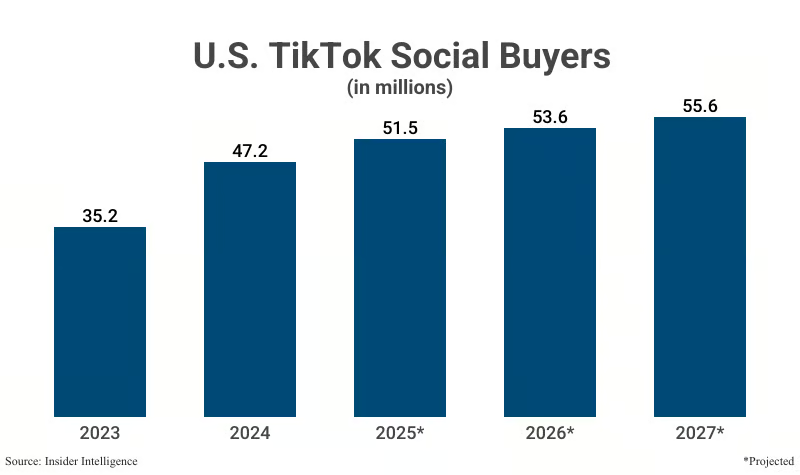
- The IAB’s 2025 Creator Economy Ad Spend & Strategy Report shows that U.S. creator economy investment is rapidly accelerating and projected to reach $37B in 2025, growing about four times faster than the broader media industry.
- The U.S. social commerce market remains strong, with TikTok reporting more than $32M in daily TikTok Shop purchases from Americans, 79.3% coming from health and beauty products.
- Statista forecasted that over 86% of U.S. marketers will partner with influencers in 2025.
- Later’s 2025 Influencer Marketing Report found that 80% of brands in the U.S. either maintained or increased their influencer marketing budgets in 2025, with 47% raising budgets by 11% or more.
Global 2025 Creator Economy Statistics
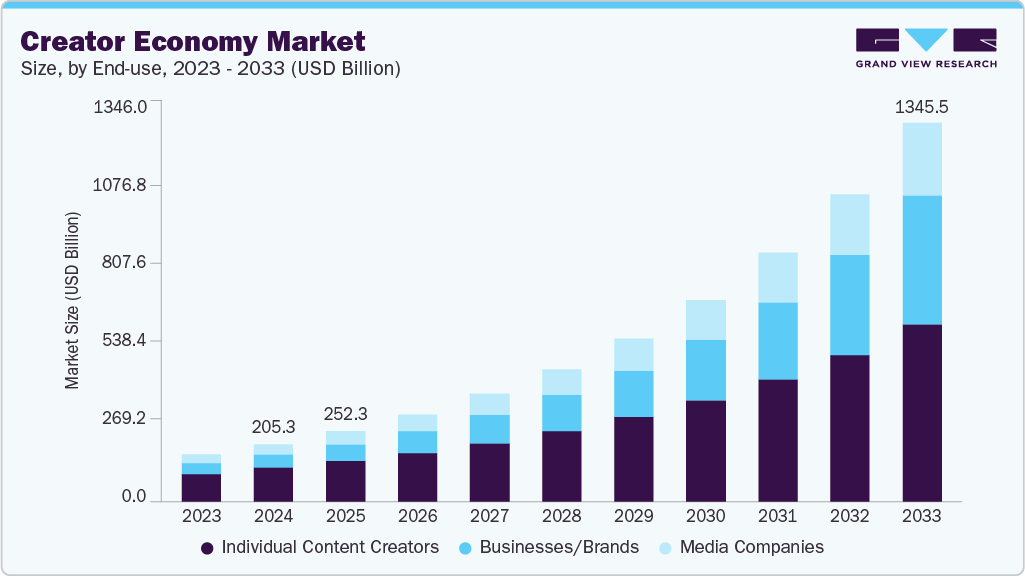
- According to NeoReach, the creator economy has grown 19% since early 2025, reaching 127M active creators globally.
- Nano influencers with 1K to 10K followers make up the largest share of creators globally, accounting for 67.15% of creators worldwide.
- North America is the largest market for influencers, while the Asia Pacific is the fastest-growing region, according to Grand View Research.
- Business Insider values the global 2025 creator economy at $250B and estimates that it will reach nearly $500B by 2030.
2025 Creator Economy Recap: What We Got Right (and What Changed)
Last year, our team at The Influencer Marketing Factory compiled our top 10 creator economy predictions for 2025. The following is a comprehensive recap of our 2025 creator economy predictions, key industry insights, and the changes in the influencer marketing landscape over the last 12 months.
| 2025 Predictions | 2025 Outcomes |
| 1. The Creator Economy is Going Live 🎤: In 2025, brands will increasingly partner with livestream creators to drive real-time engagement, social commerce, and deeper connections with audiences. | Creators IRL has to be one of the most significant trends in the creator economy of 2025. Our Creators IRL 2025 Survey revealed that 41% of U.S. social media users ages 18-65 reported attending at least one in-person influencer event in the past year, showing the growing demand for offline creator-led activities. |
| 2. Prioritizing the Big Screen 📺: In 2025, creators will focus on long-form content optimized for Connected TV, from high-production series like Michelle Khare’s I Tried to uncut vlogs like The Outdoor Boys. | This year, YouTube CEO Neal Mohan shared that TV screens have officially surpassed mobile as the main way U.S. viewers watch YouTube. Nielsen data also shows YouTube has led Netflix and Disney+ in TV viewership for over six months, and with platforms rolling out TV-optimized tools, creators are quickly adapting their content to match. |
| 3. Social Commerce is King 🛒: U.S. retail social commerce sales are projected to exceed $100 billion in 2025, driven by affiliate creators and influencers on platforms like Instagram and TikTok. With TikTok Shop gaining traction and 97% of Gen Z using social media for shopping inspiration, brands must embrace social commerce to engage young consumers. | The explosive rise of TikTok Shop is fueling the 2025 social commerce boom, with the platform now serving over 1B users and 15M sellers. The rise of social commerce is also global, with Capital One reporting that global shoppers will spend $1.1T on social commerce purchases in 2025. |
| 4. Embracing Gen Alpha 👀: In 2025, brands and creators will increasingly target Gen Alpha, a generation shaping social media trends and pop culture as they gain purchasing power. | Gen Alpha has emerged as a top priority for brands in 2025, with Precise TV reporting that YouTube Shorts ads drive more teen purchases than equivalent TikTok placements. Brands like Bubble and newer Gen Alpha-focused ventures, such as Yes Day, demonstrate how deeply this generation is shaping the future of creator-led marketing strategies. |
| 5. LinkedIn-fluencers and the Rise of Video Content 👔: In 2025, vertical video will dominate as brands leverage professional creators to share informative storytelling, case studies, and trend breakdowns, driving deeper connections on LinkedIn. | LinkedIn leaned into short-form video content this year and released B2B video guide as well as new metrics for Average Watch Time, more videos in search, and other creator tools. LinkedIn also confirmed that video uploads are up 36% year-over-year and users are watching 36% more video than last year. |
| 6. The Rise of Influencer-Founded Lifestyle Brands 🛍️: Diversifying revenue streams through lifestyle brands has become a major trend in the creator economy, with companies like Warren James and Moby Ventures enabling creators to launch ventures that deeply resonate with their audiences. | The movement of influencers founding their own brands isn’t slowing down anytime soon. Some of the top creator lifestyle brands launched in 2025 include AMP’s personal care brand Tone, Kim Kardashian’s NikeSkims, Mikayla Nogueira’s Point of View Beauty, and Salish Matter’s Sincerely Yours teen skincare. |
| 7. AI-Powered Social Media Platforms & Tools 🤖: In 2025, AI and in-app tools will become essential, making content production more efficient as platforms like TikTok explore new ways to empower creators. | Beyond the launch of OpenAI’s Sora 2, AI-powered creator tools surged across major social platforms throughout 2025. TikTok introduced AI optimization features to GMV Max, Instagram named AI a core strategic priority for the year, and YouTube integrated multiple Google AI tools to streamline and enhance the content creation process. |
| 8. Refocusing on Authenticity and Originality 💡: In 2025, comfort creators, who provide soothing and uplifting content that fosters a sense of community, will offer audiences a refreshing, more genuine social media experience. | Authenticity is still an instrumental element to successful influencer marketing campaigns. Research from Georgia State University found that the 5 core properties of Expertise, Connectedness, Originality, Transparency, and Integrity influence the level of authenticity in influencer marketing. |
| 9. Growth of Micro-Communities 💕: As engagement becomes the key metric for success, creators are focusing on cultivating real connections and meaningful interactions, offering personalized experiences that foster a sense of belonging. | Influencer marketing campaigns connected to micro-communities are now the backbone of the 2025 creator economy, as per White Rivers Media. One of the most common methods for connecting with niche communities this year was via in-person events and experiential marketing with influencers, a strategy we covered in our Creators IRL Report. |
| 10. Long-Term Creator Partnerships 💸: The demand for authentic connections is transforming influencer marketing, shifting from one-off campaigns to long-term partnerships built on trust. | A new study from Snapchat found that 45% of creators with over 100K followers actively prefer long-term brand partnerships that deepen audience connection and boost conversions. Similar to our prediction, the report emphasizes that lasting collaborations enable richer storytelling, stronger trust, and more authentic brand integration. |
Top 2025 Creator Economy Resources & Insights From The Influencer Marketing Factory
Our team at The Influencer Marketing Factory has compiled a list of the top 2025 creator economy resources for brands, marketers, and influencers. The following are some of our recommended reads and listens to get you up to speed on 2025 trends from leading voices in the creator economy.
The Influence Factor Podcast: Must-Listen To Episodes With Top Marketing Leaders
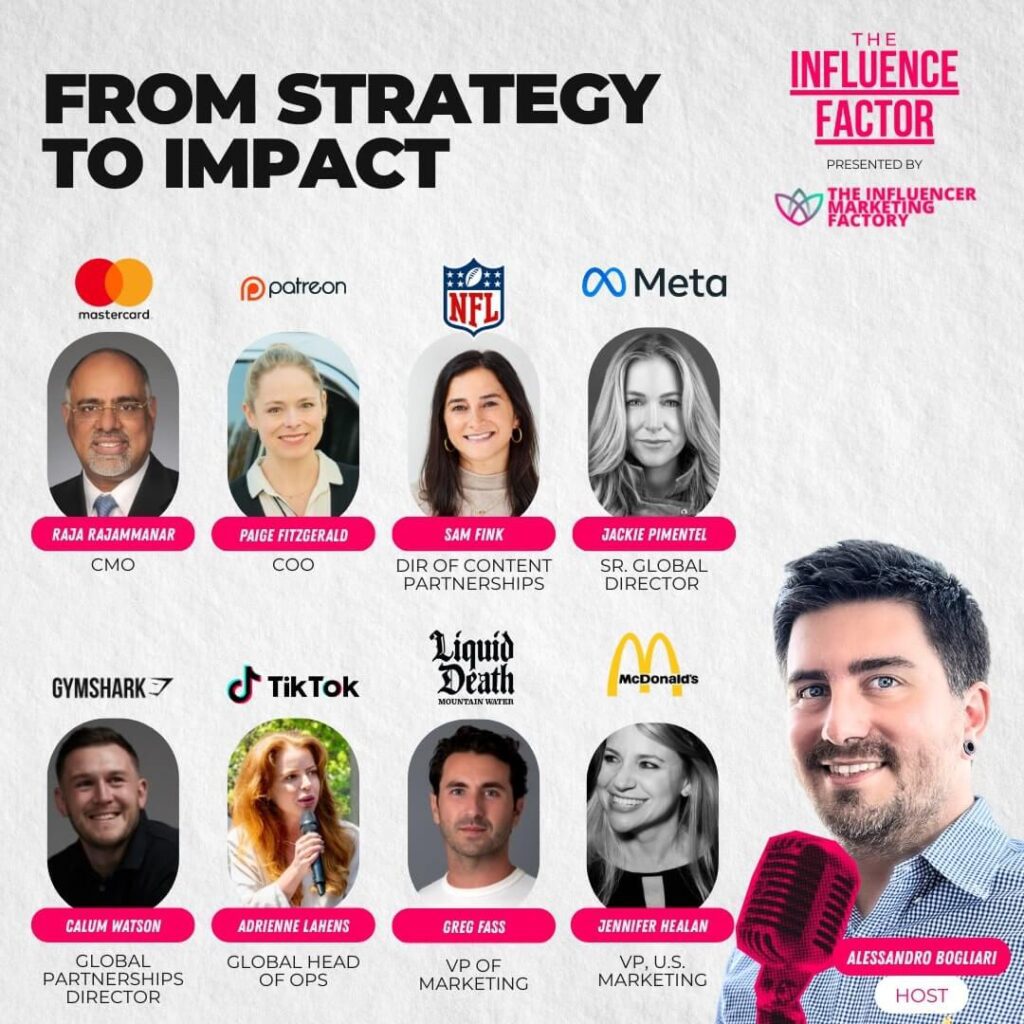
The Influence Factor Podcast, hosted by Alessandro Bogliari, CEO of The Influencer Marketing Factory, is officially in the Top 1% of podcasts worldwide. From strategy to impact, our conversations with marketing thought-leaders continue to inspire creators, brands, and marketers alike. Check out some of our best podcast episodes of 2025. For a complete look at our amazing list of marketing guests, check out the official Influence Factor Podcast library here.
- Inside McDonald’s Bold Marketing Moves with Jennifer Healan (VP of Brand, Content, and Culture at McDonald’s U.S.)
- How FP Movement Builds Impact with Courtney Weis (Managing Director of Brand Marketing at FP Movement)
- Patreon’s Secret to Building Loyal Superfans with Paige Fitzgerald (COO of Patreon)
- How Visa Supports Creators as Small Businesses with Jonathan Kolozsvary (Global Head of Small Business at Visa)
- How Creators Are Building Real Businesses Beyond Brand Deals with Billy Parks (Venture Partner at Slow Ventures)
Top 2025 Influencer Marketing Case Studies
Influencer marketing can be a strategic asset for businesses across all global industries. This year, The Influencer Marketing Factory created the following mini-guides on influencer marketing for automotive brands, mobile apps, and K-beauty, packed with insightful industry data and case studies. To learn more about influencer marketing in these specialized categories, get in touch with our team today!
You can check out additional case studies here!
A New Era of Influencers: Athletes, Finance, Community Leaders, and More
Influencers have proven to shape the purchasing decisions of consumers as well as cultural trends. On one hand, finance professionals are sharing their expertise with the masses on social media, paving new ways for financial literacy and brand partnerships. On the other hand, professional athletes known on a global scale are starting to leverage their social media presence, finding new ways to connect with their dedicated fandoms and collaborate with mainstream brands. Our team at The Influencer Marketing Factory explored these topics, as well as other rising trends in monetization and engagement, on our official blog. For more case studies and guides, check out our library of influencer marketing blogs here.
 What are Finance Influencers: Information, Influence, and Impact |
 Influencers on the Big Screen: FAST Channels & Subscription Platforms |
 Athletes as Influencers: NIL Deals & Top-Performing Partnerships |
 The Shift Crawl: Exclusive Insights From Founder Brooke Berry |
Influencer Marketing Guides for Brands & Marketers
LinkedIn influencers, experiential influencer marketing, and social commerce are among the top 2025 trends that marketers need to tap into. Our team at The Influencer Marketing Factory has compiled key statistics and conducted exclusive surveys to better understand the influencer marketing landscape across social media platforms. Moreover, our research team broke down the factors contributing to average engagement rates between TikTok and Instagram to help brands like yours best strategize your social and influencer marketing plans for the year. The following are some of our top 2025 influencer marketing guides for brands and marketers that you need to read.
 TikTok vs. Instagram: Comparing Average Engagement Rates in 2025 |
 The Ultimate LinkedIn Influencer Guide: How To Unlock LinkedIn’s Power |
 Creators IRL: How The Creator Economy Intersects With Experiential Marketing |
 TikTok Live Shopping: The Ultimate Guide |
2026 Creator Economy Predictions
1. More In-Person Creator Activations
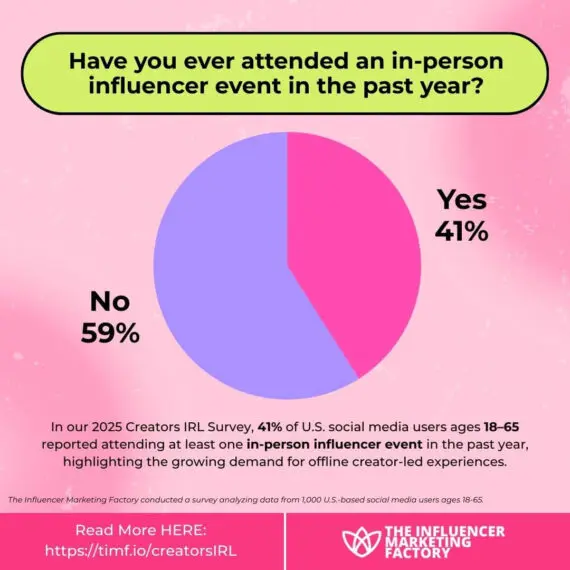
Creator IRL events provide the perfect blend of community engagement and influencer-driven purchases. Our 2025 Creators IRL Survey found that interest in future influencer events among non-attendees is strong, with two-thirds of respondents open to attending (34% yes, 33% maybe). With 33% of respondents very likely to purchase products at creator IRL events, creators and brands have a prime opportunity to drive direct sales, considering another 60% expressed some likelihood to buy. For brands looking to launch an in-person creator event, our survey identified meet and greets, product launches, and workshops to be the top 3 categories of in-person creator activations.
2. The Rise of Creator Media Companies
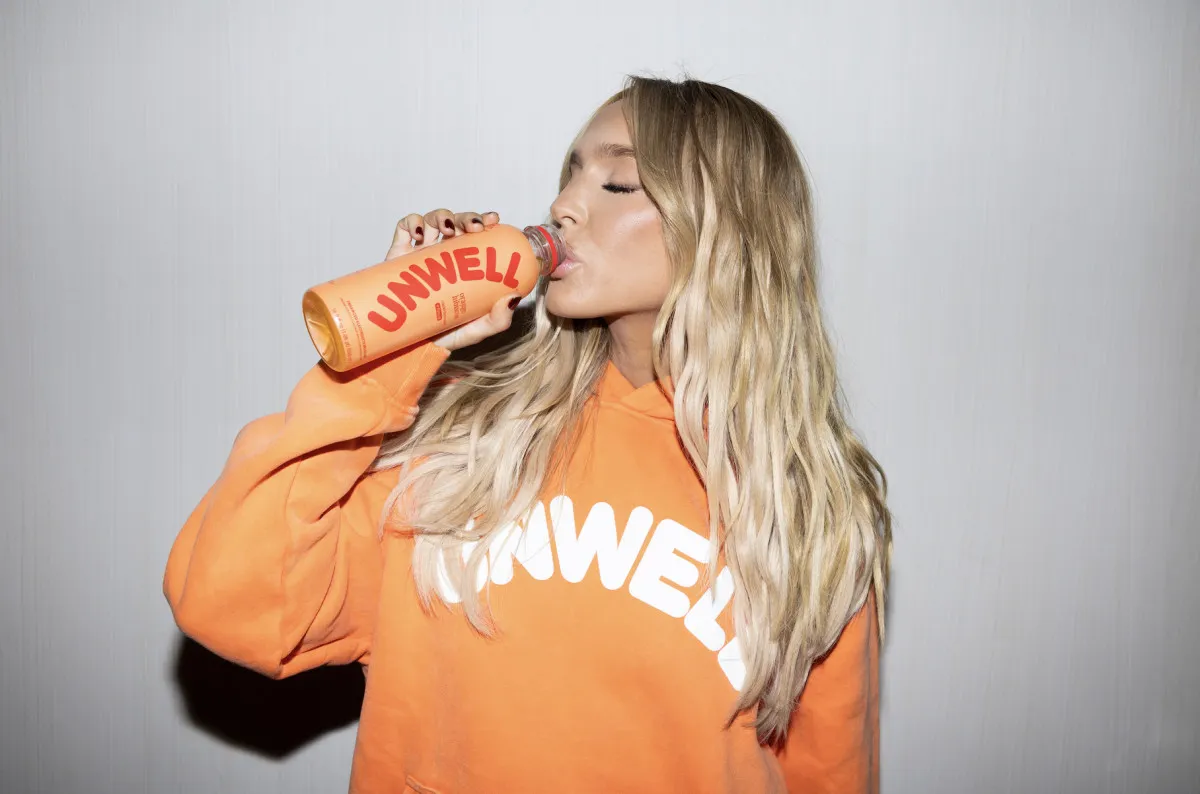
Beyond the stream of lifestyle brands launched by creators this year, top influencers are looking to elevate their business ventures by establishing their very own media companies. For instance, Alex Cooper’s media company Unwell is dominating long-form content creation, creator IRL events, and now podcast advertising. Creators are also investing in production studios and new opportunities to collaborate with their creative peers on a professional level, showcasing how influencers are setting a new bar for content creation quality and distribution.
3. Brand Affiliate Platforms & Creator Marketplaces
Brands are noticing the influence of creators on social commerce, resulting in countless new brand-specific affiliate platforms and creator marketplaces. This year, Sephora launched its My Sephora Storefront in direct competition with TikTok Shop and Amazon. Other top brands that launched affiliate programs this year include GAP, Best Buy, American Eagle, and Condé Nast’s Vette. In 2026, a true indicator of an authentic partnership between creators and their favorite brands will be their choice of brand affiliate programs in place of a catch-all social commerce platform.
4. Gen Alpha Becomes the New Marketing Machine
Gen Alpha’s spending power is rapidly increasing, signaled by the introduction of several teen-focused brands and the rise of youthful, trendy marketing strategies. According to Glossy, Sincerely Yours and Yes Day are targeting Gen Alpha audiences with stripped-down ingredients, minimalist packaging, and shareable content. Precise TV also reports that teenagers found that ads on YouTube Shorts drive more purchases and that Gen Alpha is most loyal to YouTube, making the platform a critical channel for Gen Alpha influencer marketing.
5. B2C Influencer Marketing on LinkedIn
LinkedIn is no longer just a platform for B2B marketing. The introduction of new video tools and content metrics on LinkedIn has attracted marketers across industries, from high fashion to beauty. Brands like K18 and Vegamour have launched wide-scale B2C efforts on LinkedIn, and we can expect more similar efforts in 2026. Brands interested in learning more about B2C LinkedIn marketing can get in touch with our team here.
6. Venture Capital in the Creator Economy
Venture capital is one of the top creator economy trends we expect to see in 2026. Several creator-led brands announced funding rounds this year, including Good Good Golf and Sacheu Beauty. Additionally, new creator funds, including those from Slow Ventures, Gushcloud International, Fundmates, and Creator Sports Capital, will invest millions of dollars into creator businesses this year and into 2026.
7. The Creator Economy’s C-Suite Takeover
In 2026, we expect to see more influencers take on leadership roles at leading brands, furthering the trend of long-term partnerships with creators. Most commonly, influencers are joining brands as Creative Directors to drive more brand awareness, social media impressions, and better connect with audiences. For example, Doing Things appointed creator Jake Krantz as Creative Director of its newly formed talent and video team.
8. Co-Creation Becomes the New Brand Strategy
The most successful activations are those built alongside creators themselves, not just around them. Just like with typical influencer marketing campaigns, creators perform best when they have creative input and the freedom to integrate promotional products naturally. When influencers have input on the format, activities, location, and other related factors for in-person events, their audience can recognise that effort and appreciate their commitment to authenticity.
9. Creators Filling AI Gap With Humanized Content
The influx of AI-produced content from platforms like Sora 2 poses a new opportunity for creators to fill the “AI gap” with humanized content. According to a study from PhotoShelter, 78% of marketers around the world described user-generated content as important to their social media strategy, with 36% describing UGC as “extremely important.” More than 72% of marketers find that AI is “not at all important” for their approach to social media. Given this stark contrast, creators will fulfill the brand-side demand for UGC while competing in the timeline for attention alongside AI content.
10. Streamlining the Creative Workflow With AI
Although marketers may not prefer AI-generated content for social media marketing, AI tools are still growing in popularity for optimizing content workflows, planning content, and mitigating some business tasks for creators like writing emails. The IAB reports that 30% of digital video ads are currently made with or “enhanced by” gen AI tools and that by 2026, we can expect nearly 40% of online ads have gen AI involvement. Research from The Influencer Marketing Factory also reflects the growing use of AI amongst creators. Our Ultimate Creator Guide found that 15.7% of content creators utilize AI for generating ideas and 13.2% of creators use AI tools for editing content.
Kickstart Your 2026 Influencer Marketing
Get in touch with our team at The Influencer Marketing Factory to explore how influencer marketing can transform your digital and social strategy. Whether you’re looking to reach decision-makers, humanize your brand, or highlight real product use cases through powerful storytelling, we’ll help you develop a tailored campaign that drives impact