
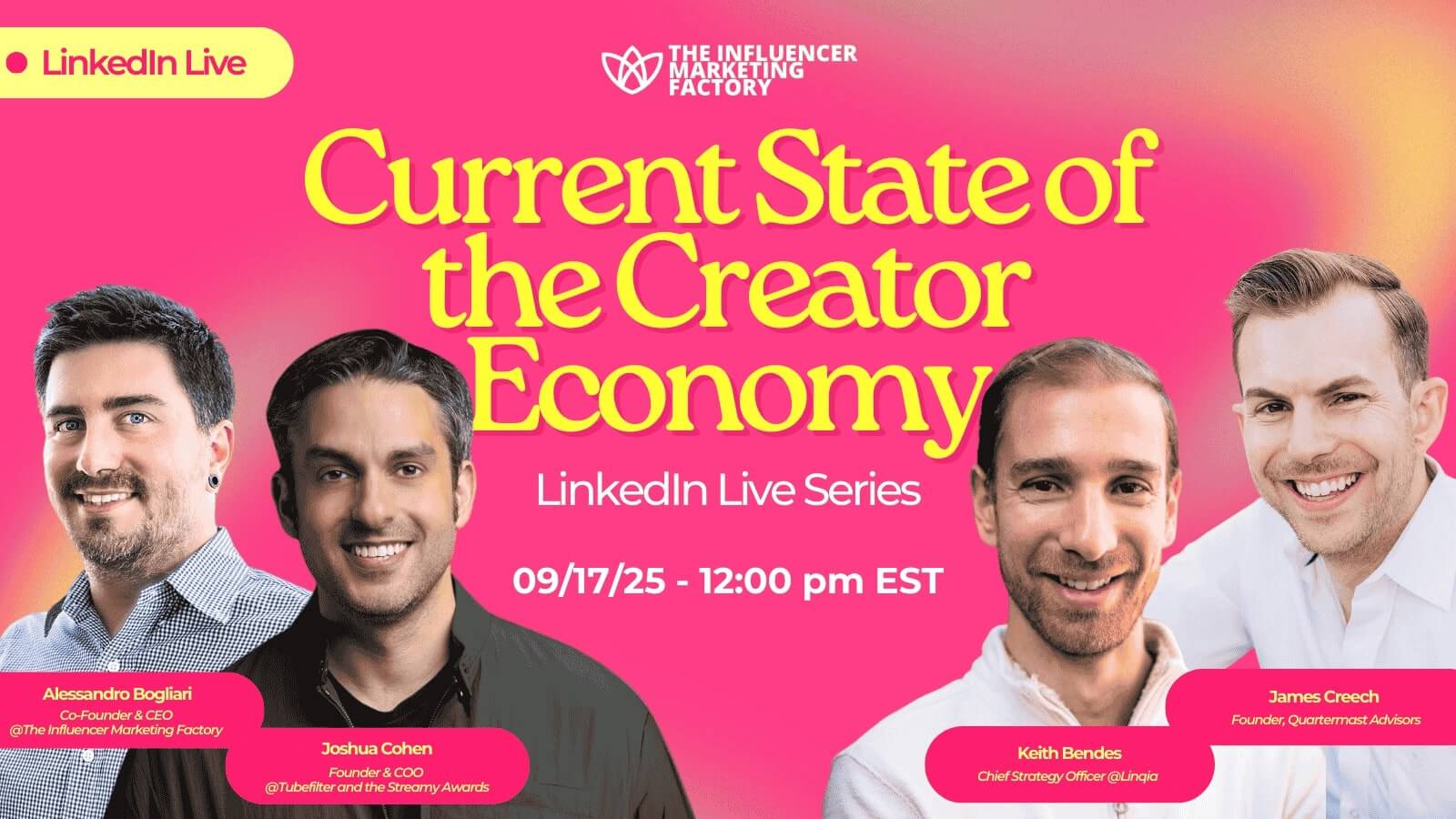
22 Sep Unpacking the Creator Economy: What Marketers Should Know Now
Summary
Creator Economy 2025 Trends
The Current State of the Creator Economy
The creator economy has reached an inflection point. Once dismissed as a passing trend or relegated to experimental “side budget” campaigns, creators are now central to how culture moves, how products launch, and how brands connect with consumers. But with growth comes complexity. As algorithms shift, platforms compete, and creators professionalize, the rules of engagement for marketers are changing fast.
Meet the Speakers
 |
 |
 |
|
Joshua Cohen
Founder & COO
Tubefilter & the Streamy Awards |
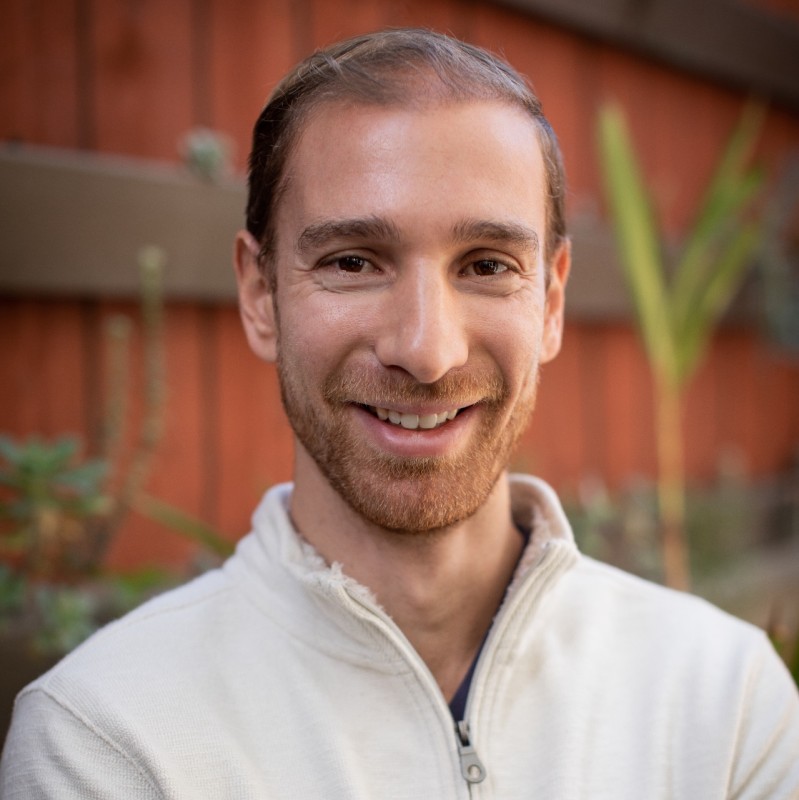
Keith Bendes
Chief Strategy Officer
Linqia |
James Creech
Founder
Quartermast Advisors |
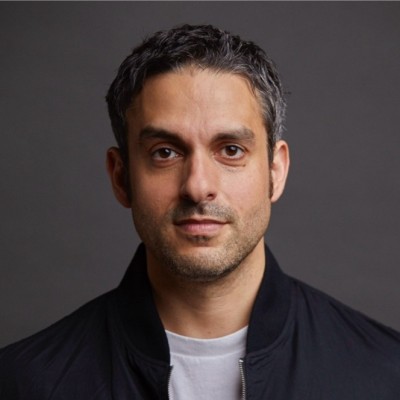
| Joshua Cohen is the Co-Founder of Tubefilter and a seasoned expert on the business of online video. Joshua is one of the “OGs” of the creator economy, closely studying trends and developments across platforms like YouTube since 2009. Today, Joshua continues to share ground-breaking insights into the dynamic influencer space. | Keith Bendes is a prominent leader in the influencer marketing industry and creator economy. As the Chief Strategy Officer of Linqia, he shapes innovative approaches to authentic brand-creator partnerships, helping marketers engage audiences through meaningful storytelling. Keith has been featured in several top publications, including Forbes. | James Creech is a serial entrepreneur and Founder of Quartermast Advisors, a boutique investment bank specializing in M&A for creator economy startups. Previously, he co-founded and led Paladin and launched Creator Economy Jobs. James is recognized as a LinkedIn Top Voice and a Creator Economy Expert by Insider. |
In a recent LinkedIn Live session, industry leaders Alessandro Bogliari (CEO & Co-Founder, The Influencer Marketing Factory), James Creech (Founder, Quartermaster Advisors), Joshua Cohen (Founder, Tubefilter), and Keith Bendes (Chief Strategy Officer, Linqia) discussed the current state of the creator economy and its implications for brands. Their insights reveal both the opportunities and the challenges ahead.
Key Livestream Takeaways
Creators Are Becoming Businesses, Not Just Personalities
The most successful creators are no longer hobbyists monetizing spare time—they are building enterprises that function like full-scale media companies. Top creators now manage teams, launch consumer brands, secure equity partnerships, and even attract private equity investment. The wave of mergers and acquisitions around creator-led ventures underscores growing investor confidence in the long-term value of this ecosystem.
For marketers, this shift demands a new mindset. Creators are not just “influencers for hire” but entrepreneurs with ownership ambitions and clear strategic priorities. Treating them as transactional partners limits the impact of such influencers on socials. The real opportunity is to embrace creators as co-builders through equity stakes, revenue-sharing models, and long-term collaborations that align with their business objectives and unlock shared growth. “Creators are also looking to get on the cap table in addition to finding ways to partner with brands through paid content or sponsorships,” Creech noted. “They’re looking at how can I be an equity owner, how can I drive long-term value, for either a business they built or a business they partner into.”
From Experimentation to Expectation
Just a few years ago, influencer marketing was treated as a test-and-learn experiment. Today, influencer marketing and creator partnerships have become a core marketing channel. Moments like MrBeast’s $100 million Amazon deal and the launch of Cannes Lions’ Creator Track make one thing clear: creators are now impossible for brands and marketers to ignore.

This recognition is now reflected in budgets. Unilever, for example, announced plans to raise influencer marketing’s share of its media spend from 20% to 50%. “With the exception of live sports, television and other traditional kind of advertising avenues are on the decline or costing more generally to reach the same number of audience“, Cohen explained. “The efficacy in the creator economy is such that they’re getting really positive results from their investments, and so when they start the plan for 2026, I think they’re gonna invest even more.” Moves like this signal a broader shift: creators are no longer campaign add-ons but foundational to marketing strategy. For brands, this means influencer marketing must be planned, resourced, and measured with the same rigor as paid media, experiential activations, and other primary channels.
Algorithms Are Redefining Influence
The shift from social graphs (content distributed primarily to followers) to interest graphs (content distributed algorithmically based on predicted relevance) has dramatically reshaped how audiences engage with creators. This evolution has leveled the playing field, giving smaller creators opportunities to break through. At the same time, it has made reach far less predictable, even for established influencers.
For brands, the implications are clear. Follower counts have become a weak predictor of campaign success. Instead, marketers should focus on engagement quality, audience alignment, and consistency of performance. To reduce risk, brands can combine organic creator activations with paid amplification, ensuring high-performing content reaches its full potential rather than being left at the mercy of platform algorithms. “When we started influencer marketing, we thought of it as content creation meets distribution,” Creech shared. “Influencer marketing is now touching every aspect of the media life cycle.”
The Depth vs. Breadth Dilemma
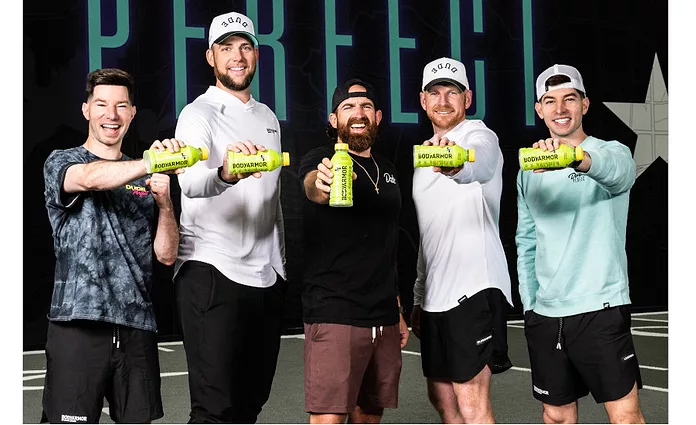
As creators’ influence grows, brands are beginning to pursue deeper, more integrated partnerships. Today, creators are increasingly serving as brand ambassadors, creative directors, and even co-founders. BodyArmor’s multi-year collaboration with Dude Perfect illustrates how embedded relationships can build long-term equity and cultural credibility.
For marketers, developing long-term relationships with influencers comes with its trade-offs. Long-term partnerships require significant investment, often limiting the number of creators a brand can work with, while broader campaigns with many creators can generate wide awareness but lack the same level of authenticity or integration. As explained by Bendes, “When you go deeper, it gets so expensive for a creator that I think brands are still hesitant to say, can I commit to that depth of a relationship at that cost? Does that mean I now work with a tenth of the creators than I would have if I went smaller, one-off, at scale? And I think brands are still grappling with that.”
The most effective influencer marketing programs involve a hybrid model that allows marketers to scale while maintaining meaningful anchor partnerships. Moving into 2026, brands that strike this balance will be best positioned to unlock both reach and relevance with their digital audiences.
The Next Frontier: Programmatic and Social Commerce
Two emerging shifts are reshaping how creators and brands will collaborate in 2026 and beyond:
- Programmatic Creator Ads: YouTube’s rollout of dynamic ad insertions enables advertisers to place ads programmatically within creator content. This model introduces new efficiencies by blending influencer marketing with programmatic media buying. However, it also raises questions around compliance, creator autonomy, and the viewer experience.
- Social Commerce: Meanwhile, platforms like TikTok are aggressively investing in social commerce infrastructure, following the playbook that has already proven successful in China. TikTok Shop is leading the charge, creating a direct-sales channel that integrates product discovery with transactions. While adoption in the U.S. has been slower, early signs point to significant potential.
For brands, these innovations represent both risk and opportunity. Early adopters can capture outsized returns, but success will depend on testing, careful ROI tracking, and staying agile as formats mature.
Next Steps For Brands and Marketers in the Creator Economy
The creator economy is maturing quickly, and success now depends on moving from experimentation to execution. Here are the key actions brands should prioritize in the months ahead:
- Treat Creators as Strategic Partners
Engage creators as collaborators and co-builders who can shape campaigns and contribute to long-term brand value, rather than viewing them as transactional media placements.
- Elevate Creators Within the Marketing Mix
Move influencer marketing out of test budgets and into the core media strategy. Allocate the same rigor and resources that are applied to other foundational channels.
- Prioritize Engagement Over Reach
In an algorithm-driven world, the ability to foster authentic engagement and community trust is more valuable than raw follower counts. Use paid support to scale content that proves resonance.
- Balance Depth with Scale
Blend deep, multi-month/year partnerships with select creators and broader activations with emerging voices to ensure both cultural impact and wide audience reach.
- Lean Into Emerging Formats
Test opportunities in programmatic creator advertising and social commerce early. Early adoption often leads to a competitive advantage.
- Measure Beyond Vanity Metrics
Move beyond vanity metrics and track KPIs tied to growth and performance—such as conversions, retention, sentiment, and brand lift—to validate investment and demonstrate impact.
Amplify your reach with Influencer Marketing
Partner with The Influencer Marketing Factory to leverage our extensive network of premium influencers. Streamline your campaign management from inception to conclusion, and attract your desired audience with compelling and engaging content.