
22 Jul FIFA x Creator Activations That Landed: What Brands Got Right
Summary
This 2026 FIFA World Cup wasn’t just the biggest tournament in sports history but also one of the biggest creator marketing moments we’ve seen on such a global scale. The brands that won weren’t necessarily the official sponsors, but the ones that let creators do what they do best: show up in the moment and connect with fandoms in real time.
New Sports Streaming Records & Creator Success
The 2026 FIFA World Cup set new standards and records for streaming across both social and traditional media. The following are some key streaming statistics at both the global and U.S. national scales, illustrating the rise of livestreaming and cross-continental creator audiences.
Global World Cup Streaming Stats
- CreatorIQ reports that, as of July 8th, social media posts tagged #FIFA, #WorldCup, or “World Cup” have driven more than $4B in earned media value, aka EMV.
- 2026 FIFA World Cup-related livestreaming content accounted for over 94.3% of tracked livestream viewing and over 1.1B Hours Watched during the Group Stage alone, making it the most-watched event ever recorded across the livestreaming platforms tracked by Streams Charts.
- Streamer Charts also found that Brazil emerged as a top market for World Cup-related livestreams, with 994.7M hours of viewership. South Korea came in second place with just 42.5M hours, underscoring the true power of Brazilian fandom.
- On a related note, CazeTV’s free YouTube livestream of Brazil vs. Japan reached a peak of 21.3M concurrent viewers among exclusively Brazilian audiences. Moreover, CazeTV is the only YouTube channel in the world streaming all 104 matches for free.
- As an official partner for the 2026 FIFA World Cup, YouTube hosted its first-ever YouTube FIFA Creator Cup, featuring two star-studded teams led by iShowSpeed with a combined following of 270M.
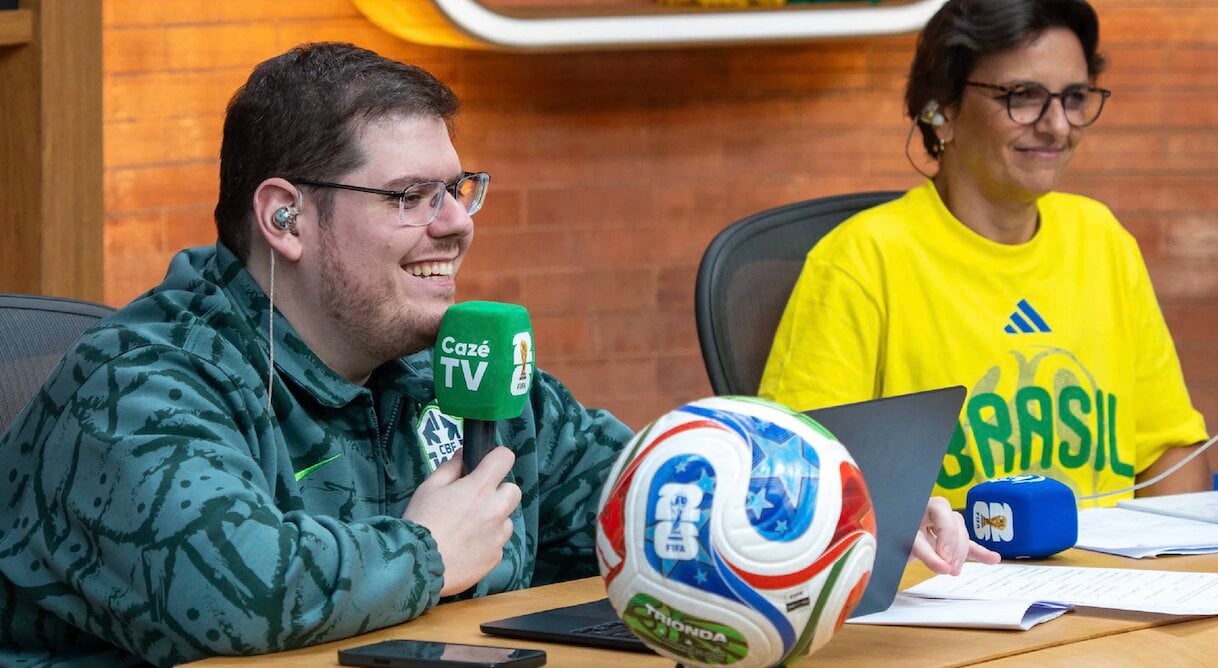
CazeTV (left) is the only creator in the world to stream all 104 FIFA World Cup matches for free this year. Source: Planeta do Futebol
U.S.-Based Streaming Stats & Trends
- Looking at traditional streaming in the U.S., 31.8M peak concurrent TV viewers tuned in for the U.S. vs. Bosnia and Herzegovina match — about 1M more viewers than the 2026 College Football National Championship and accounting for roughly 10% of the U.S. population.
- EMARKETER reports that 100% of tracked U.S. World Cup content was community and creator content, unlike in Brazil and South Korea, where 98.6% and two-thirds of content were licensed, respectively.
- Over 50% of US soccer fans are likely to use a second screen while watching this year’s tournament, according to data from ThinkNow Research.
- YPulse data revealed that 72% of North American Gen Z actively watches or follows the World Cup, highlighting this younger generation as a new prime target for sports marketing and other adjacent activations.
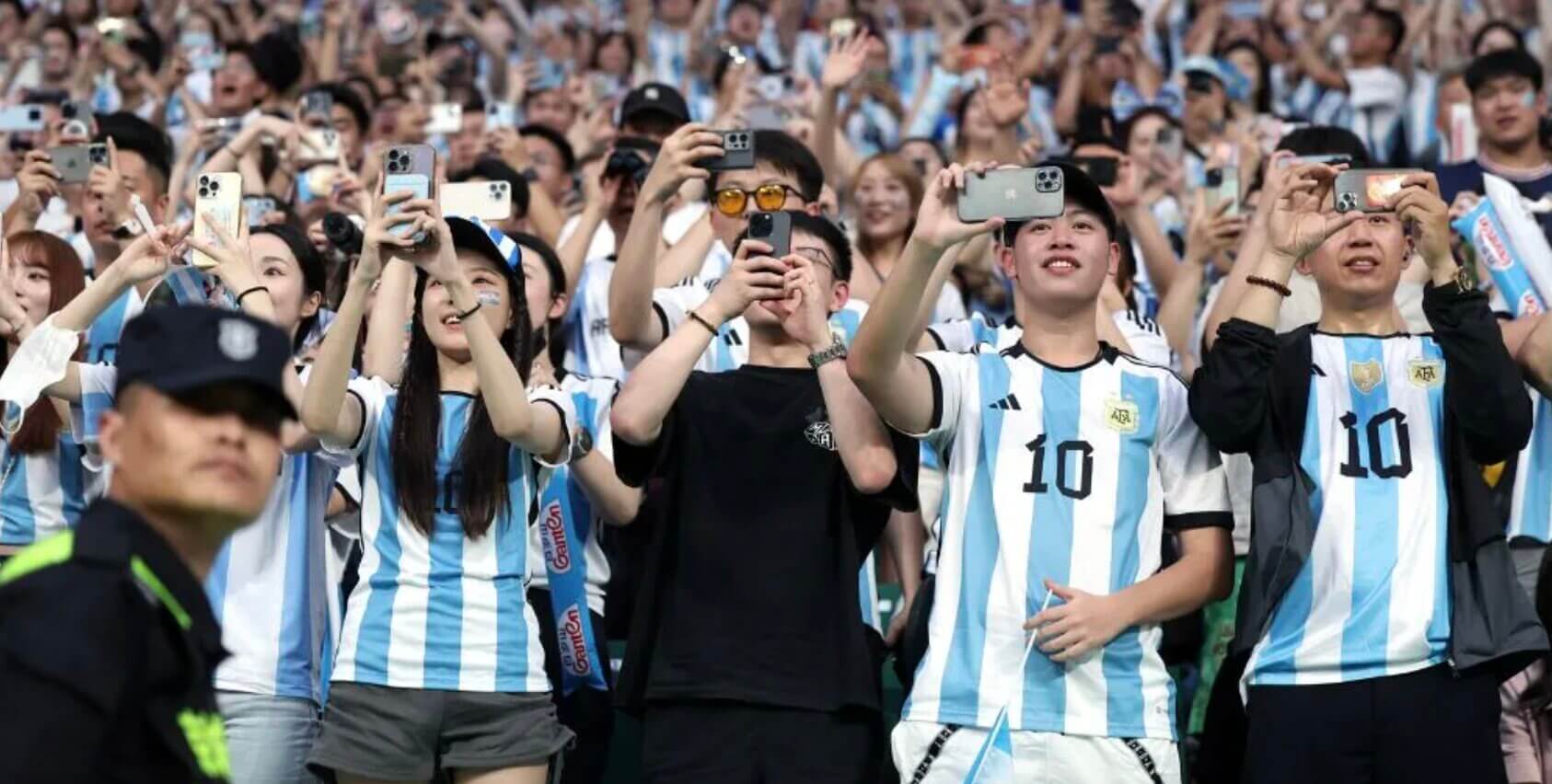
SportsPro reports how young audiences are tuning in to World Cup matches now more than ever through social media and streaming. Source: Getty Images
Top 2026 FIFA World Cup Marketing Case Studies
This year’s World Cup brought forth countless nostalgia-based, heritage-focused, and community-driven campaigns. Whether brands were official match sponsors or the complete opposite, in that their logos were blocked in stadiums, marketers worldwide executed thoughtful strategy and storytelling to communicate their missions and user values.
While influencer marketing has long been a fixture of sports marketing, the 2026 World Cup marked a shift in emphasis toward in-person creator activations and experiential campaigns as the centerpiece of brand strategy. The following are some top examples of how brands brought their products to life and reached new audiences this World Cup.
Dove Men+Care: Turning Product Drops Into Experiences
Dove Men+Care’s “Care for Your Skin Like You Care for the Game” campaign went well beyond the tagline. The brand built “Ritual House” activations in host cities like Miami, NYC, and Kansas City, which were physical spaces where fans could show up and hang out, but also where creators could have a real backdrop to film in rather than a studio setup that may come off as less authentic. The campaign tied in limited-edition product drops to ticket giveaways, influencer marketing, and immersive experiences, treating all efforts as one connected system instead of separate line items. That is the detail worth noting here: that the influencer content wasn’t bolted onto a media plan after the fact; it was built around a physical, ownable moment that the curator could authentically plug into.
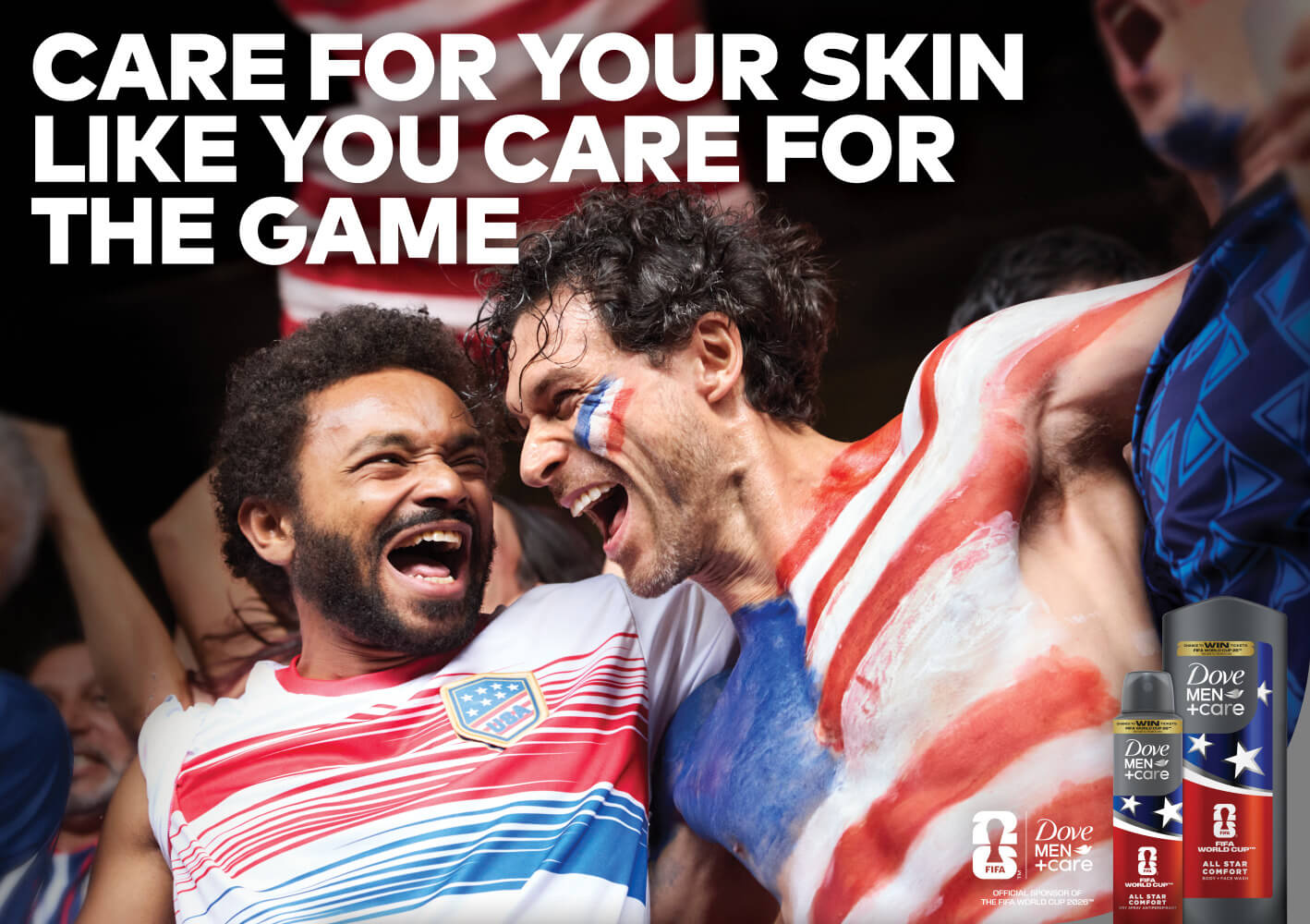
This World Cup, Dove Men+Care made headlines with its experiential “Care for Your Skin Like You Care for the Game” campaign. Source: Dove
Adidas: Stars Meet The Creator Bench
Adidas approached this FIFA World Cup by going big on production value with its “Backyard Legends” film, which is a nostalgic street style film starring Messi, Bad Bunny, Timothée Chalamet, Lamine Yamal, Jude Bellingham, and Trinity Rodman, all built around the brand’s “You Got This” message. That is the star-studded layer that got most people’s attention. What’s more interesting is the layer underneath where Adidas partnered with a diverse network of creators across its biggest markets, ranging from soccer fans, players, and sportscasters to even fashion, lifestyle, and beauty creators. If that wasn’t enough, they even made 14 of their partner football clubs playable in FIFA’s game tie-in. What that means is the hero film got attention, but the actual reach came from creators outside the sports vertical entirely, i.e., beauty and lifestyle voices talking about the World Cup in a way that their audiences would never get from a sponsored ad.
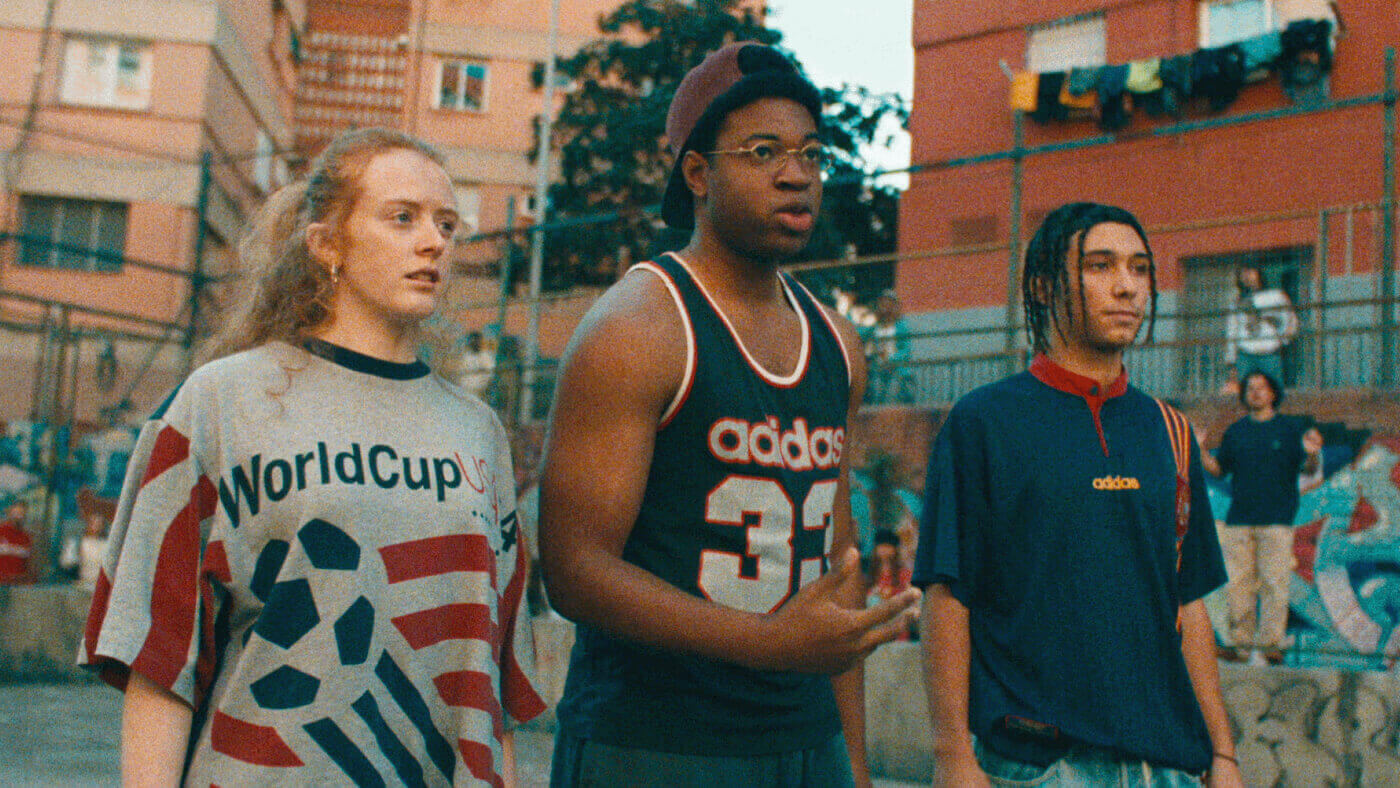
2026 was the year of film, and Adidas tapped into the biggest stars for its “Backyard Legends” short film promoting the World Cup. Source: Adidas
Home Depot: Owning a Moment Nobody Else Claimed
Home Depot didn’t try to compete for the “official” sports credibility; it went after something in line but completely uncontested. The brand repositioned the tournament as an at-home experience while encouraging fans to recreate the sports stadium’s energy in their own backyards with David Beckham as the front man of the campaign. The campaign spanned national ads, digital content, and on-the-ground activations, but the creator layer lived in “Beckham’s Backyard” fan spaces at official FIFA Fan Festivals. All combined with sweepstakes prizes, product-linked promos, and in-store workshops. Creators were speaking about hosting, grilling, and setting up backyard watch parties versus soccer; therefore, overall, a much easier ask of home and lifestyle creators to authentically speak to.
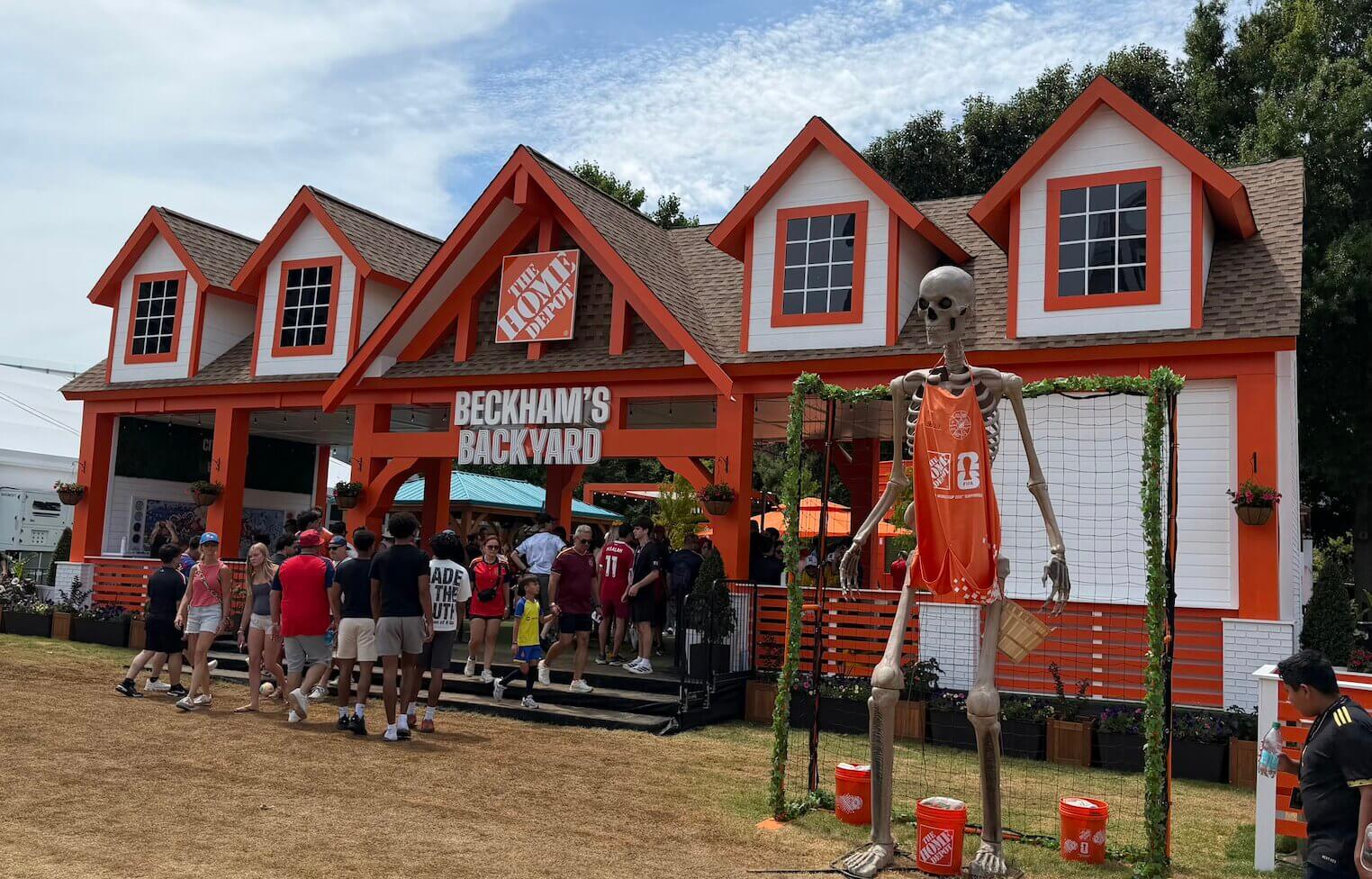
Home Depot is one of many brands that leaned into experiential and influencer marketing for its 2026 FIFA World Cup strategy. Source: MediaPost
Key Takeaways For Brands & Marketers
- Speed and Structure Outperform Perfection Every Time
Undoubtedly, across all the examples, the pattern is clear that none of the brands waited for a kickoff to figure out their creator strategy. The strongest strategies built creator relationships before the tournament even started, and since these partnerships carry more credibility than ones assembled inside the campaign window, they account for real-time activations – responding to tournament moments as they happened. Already weeks in, brands weren’t just buying media opportunities around the tournament, but rather they were running full creator-led activation machines, from local micro creators covering host cities to sideline content that turned every match into a multiple-day-long stream of posts and opportunities for reach. As Paul Coggiola, president of creators at LIFT Management, put it, the US isn’t the most soccer-loving country out there, and that gap is exactly the opportunity brands and creators can fill.
- Leveraging Athletes as Influencers & Community Leaders
This year’s soccer tournament made clear that athletes are social creators in their own right, and their content is outperforming traditional sponsored placements this World Cup. According to Tubefilter, Erling Haaland’s YouTube channel picked up 19M views and 22M new Instagram followers during the tournament through behind-the-scenes vlogging alone, while Cape Verde’s Vozinha turned one 90-minute performance into 17.4M new followers, surpassing Tom Brady overnight. Brands definitely caught on this year, but this feat of athletes as influencers is nothing new. As outlined on our official blog, footballers see roughly five times the engagement of the average fashion influencer, and Gen Z increasingly follows sports through athletes’ own channels rather than traditional coverage. The key takeaway here for brands is to treat athlete partnerships like creator partnerships, built on authenticity and real-time content, not just a 30-second spot on television or a billboard.
- Non-Sports Creators Can Also Have a Massive Impact
The biggest reach in this year’s campaigns for the 2026 FIFA World Cup often didn’t come from soccer content at all. Adidas’s most-discussed asset may have been “Backyard Legends,” yet the brand’s real distribution engine was its network of beauty, fashion, and lifestyle creators talking about the World Cup in ways sports content alone never could. Home Depot ran the same play through its marketing strategy, as well. Instead of competing for soccer credibility, Home Depot handed the moment to home and lifestyle creators who could authentically talk about grilling and hosting a watch party, no soccer expertise required. Not only does this lower the barrier to entry for creators interested in sports-related partnerships, but it also introduces brands to new, more diverse audiences. The audiences with the most room to grow are the ones who wouldn’t naturally seek out soccer content, or sports in general, and creators outside that world are how you reach them.
Need Influencer Marketing Support?
Conclusion
The 2026 FIFA World Cup made one thing clear: the brands that win these moments aren’t necessarily the official sponsors, but the ones that treat creators as core strategy from the start. As sports marketing continues to shift toward creator-led activations, getting the strategy right early sets brands up to ride the wave instead of chasing it. The opportunities are only growing for brands ready to invest in creator partnerships around major sporting events. If you’re ready to build that strategy for your next sports marketing moment, get in touch with our team at The Influencer Marketing Factory today to learn how we help brands plan, launch, and scale influencer campaigns.